Current Issue

2026 Vol. 47, No. 5

Chief Editor’s Note
The River’s New Channels: Reorienting Applied Mathematics and Mechanics
LU Tianjian
2026, 47(5): 529-540. doi: 10.21656/1000-0887.472008
Abstract(53) PDF(25)
Abstract:
Applied mathematics and mechanics have entered a stage at which their disciplinary direction, research priorities, and journal orientation must be re-examined. The difficulty today does not lie in the lack of directions, but in the excessive abundance of them; not in the absence of new concepts, but in their inflation, to the point that mainstreams and tributaries, riverbeds and waves, are increasingly blurred. Using the metaphor of “the river’s new channels,” this editorial discusses why applied mathematics and mechanics must be reoriented in the intelligent age, where this reorientation should lead, and how it should be organized. It argues that, for Applied Mathematics and Mechanics, the real point of departure must remain mechanical objects, mechanical problems, and mechanical laws. The importance of applied mathematics lies not only in advancing abstract formulations and general methods, but also in providing trustworthy methodological support for real mechanics problems through modeling, analysis, computation, inverse identification, optimization, uncertainty quantification, and data assimilation. Convincing new channels should therefore not be reduced to a catalog of fashionable topics, but must first return to the basic variables, relations, boundaries, and methods of mechanics, and rebuild a general framework of fundamental problems and trustworthy methodologies. On this basis, AI for Mechanics represents a route of methodological reorganization,the transition from metamaterials to intelligent metastructural systems represents a route of structural-object expansion, nonlocal theory and multiphysics coupling represent a route of theoretical reconstruction, and the transition from biomechanics to life mechanics represents a route of life-object and mechanism integration. These four routes are not isolated lines, but interacting channels that converge and are tested in complex engineering problems and extreme mechanics. Real-world needs should not replace free exploration and original innovation. Rather, fundamental problems provide the riverbed, free exploration opens the sources, real-world needs expose the boundaries, and complex systems test the depth and reliability of emerging channels. The journal should therefore remain open to interdisciplinary expansion while making clear that its core orientation lies in mechanics problems—especially fundamental and complex engineering problems—supported by trustworthy mathematical methods. It should act not only as a publication platform, but also as a “hydrological surveyor” of emerging channels by organizing focused themes, supporting problem-chain research, and helping to shape a more coherent scholarly community.

Solid Mechanics
Ultra-High-Temperature Plastic Constitutive Relations of Carbon Fiber Reinforced Silicon Carbide Minicomposites: Experiment and Modeling
LI Siru, JI Honglei, MA Zhiqi, CHENG Tianbao, CHEN Liming
2026, 47(5): 541-549. doi: 10.21656/1000-0887.460072
Abstract(31) PDF(12)
Abstract:
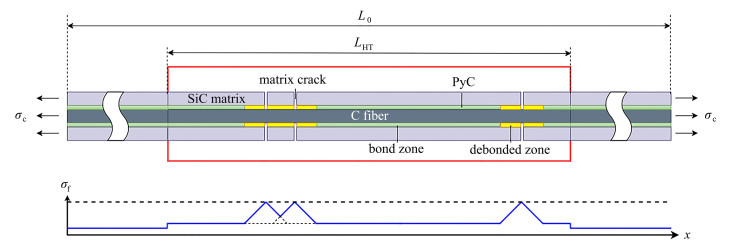
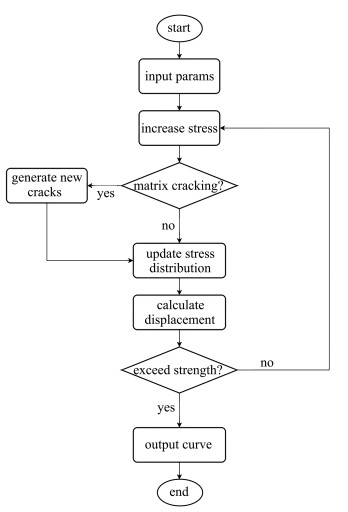
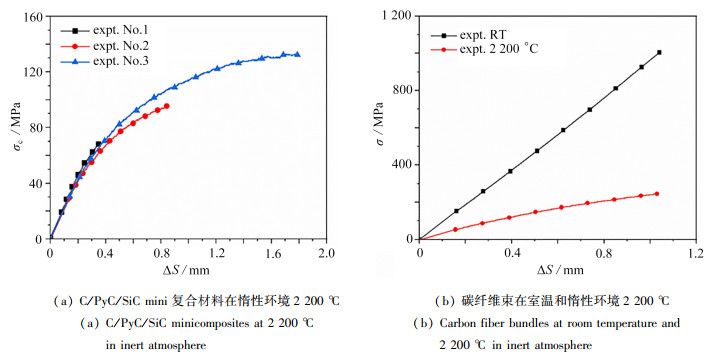
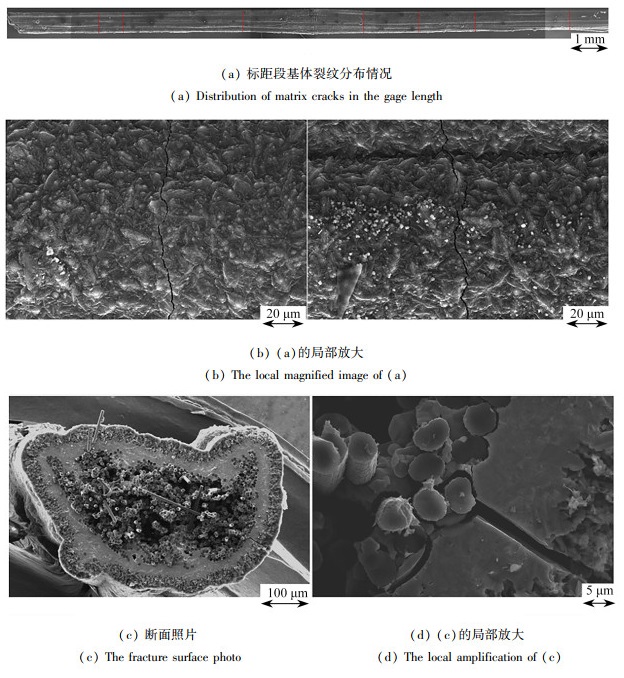
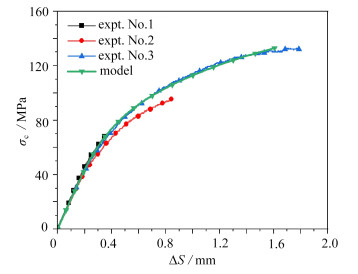
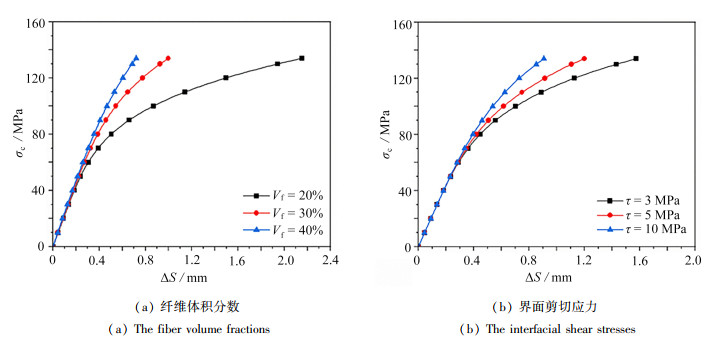
Advanced ceramic matrix composites have excellent properties, such as resistance to ultra-high temperatures and corrosion, as well as high specific strength and stiffness. They are important candidates for thermal protection materials and structures of new-generation hypersonic vehicles. However, ceramic matrix composites have complex microstructures and various damage mechanisms, which make the study of their constitutive relations challenging. Minicomposites are the critical link in the multi-scale study of ceramic matrix composites. The study on their mechanical behaviors is important to the development and evaluation of security and reliability of advanced ceramic matrix composites. The tensile properties of C/PyC/SiC minicomposites were measured at 2 200 ℃ in inert atmospheres for the first time based on the indirect induction heating technology. The plastic deformation behaviors of ceramic matrix composites under ultra-high-temperature extreme environments were revealed. The random cracking of matrix was characterized by a 3-parameter Weibull model. The stress distributions of fiber and matrix were calculated based on the slip-lag model. The effects of ultra-high-temperature nonlinear deformation of fiber bundles and residual thermal stresses in the composites were characterized. An ultra-high-temperature plastic mesoscale constitutive model was established for C/PyC/SiC minicomposites and verified. The study is useful for the development of mechanics for ceramic matrix composites and provides experimental and theoretical supports for the reliability evaluation and life prediction of ceramic matrix composites on the hypersonic vehicles.
Thermal Buckling Analysis of Thin-Walled Structures With Temperature-Dependent Material Properties Based on Nonlinear Eigenvalue Solutions
SHEN Ruibo, LI Jianyu, GAO Qiang, LI Guangli
2026, 47(5): 550-559. doi: 10.21656/1000-0887.460027
Abstract(28) PDF(10)
Abstract:
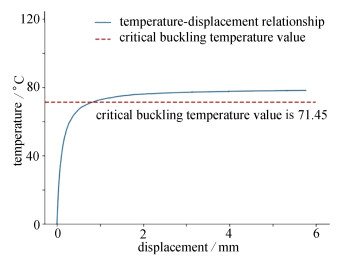
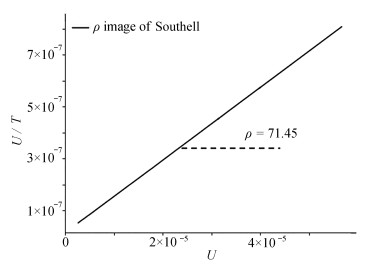
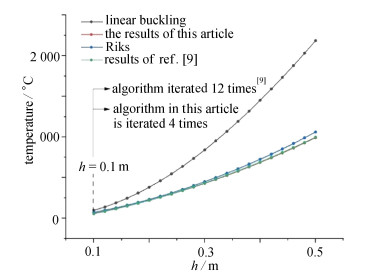
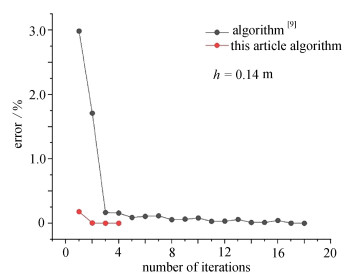
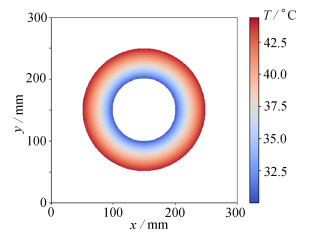
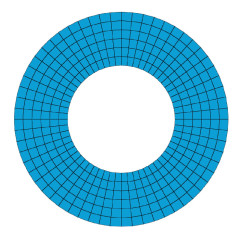
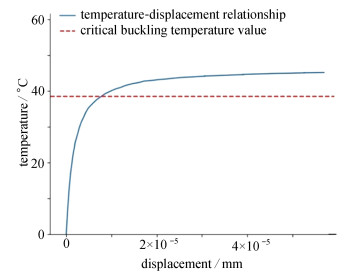
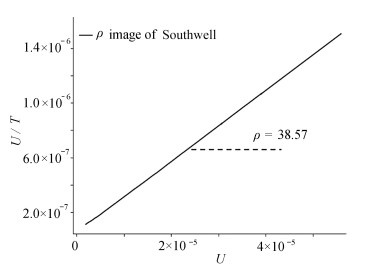
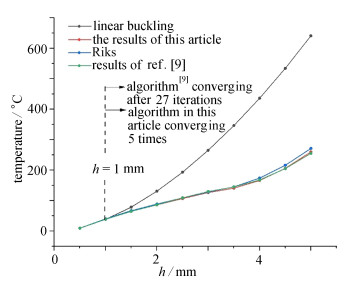
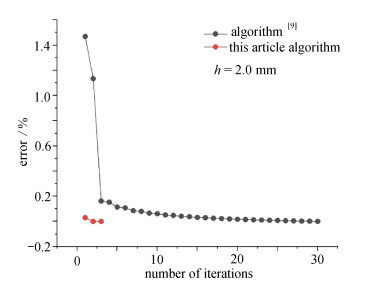
Thermal buckling is a common instability phenomenon in thin-walled structures under high-temperature environments. Accurately predicting the critical instability temperature makes an important issue for thermal buckling analysis. The temperature dependence of material parameters in high-temperature environments leads to non-negligible nonlinear characteristics in critical thermal buckling analysis. Currently, the solutions to this problem are mainly based on heuristic algorithms of experimental error types, which have low accuracy and efficiency. An efficient solution method was studied from the perspective of nonlinear eigenvalue problems. Firstly, based on the mechanical principles of thermal buckling analysis, the thermal buckling analysis with temperature-dependent material parameters was characterized as a problem of solving nonlinear eigenvalues. Secondly, a successive linearization method for solving the nonlinear eigenvalue problem in thermal buckling analysis was presented. In this algorithm, the automatic differentiation technique was used to calculate the derivative information of the stiffness matrix and geometric stiffness matrix required during the iterative process. Compared with existing iterative algorithms, the proposed algorithm significantly improves the algorithm efficiency without increasing the computational complexity. Finally, specifically for the thin plate structure under the action of a non-uniform temperature field, the finite element equations for its nonlinear eigenvalue thermal buckling analysis and the successive linearization eigenvalue solution method were given, and numerical examples were used to verify the effectiveness and accuracy of the proposed method.
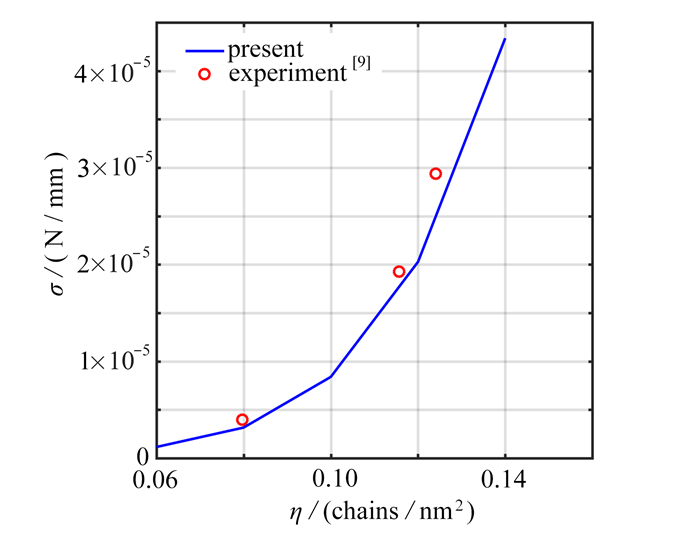
Functionally Graded Extended Isogeometric Material Distribution Optimization Based on the Simple First-Order Shear Deformation Theory
DAI Zhao, CHU Chenxu, MAO Xueming, WANG Chao
2026, 47(5): 560-576. doi: 10.21656/1000-0887.460011
Abstract(46) PDF(8)
Abstract:
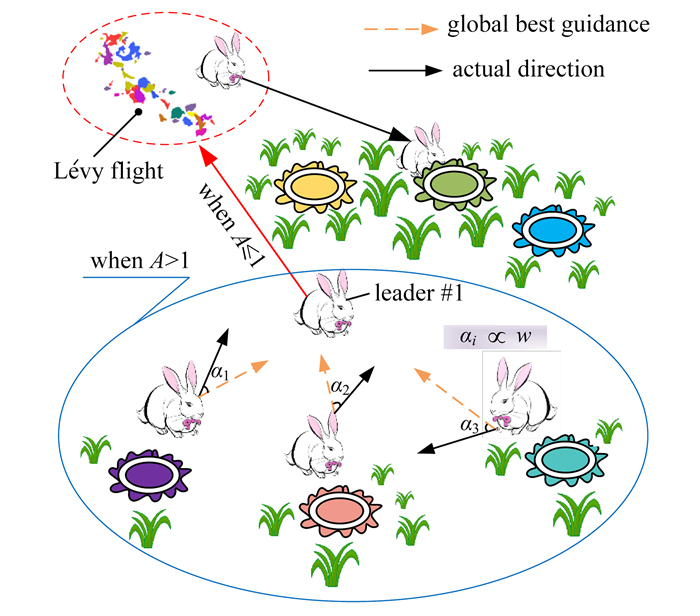
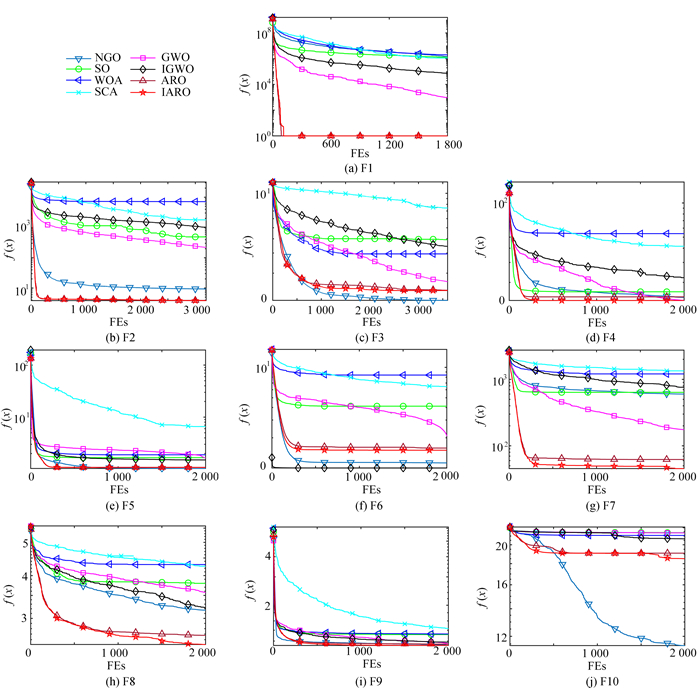
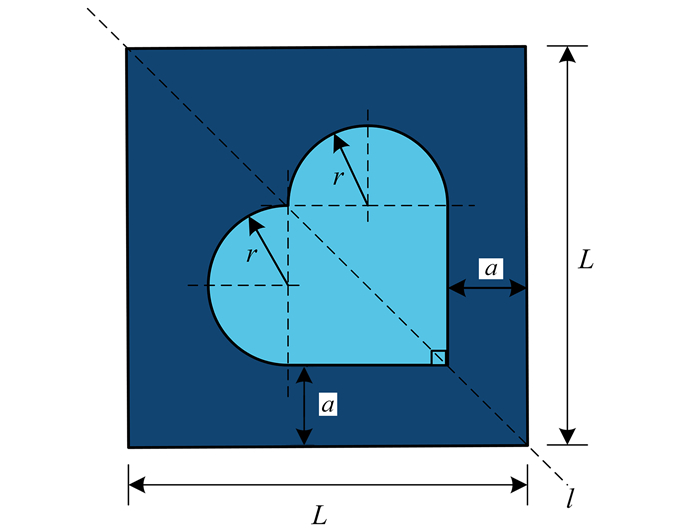
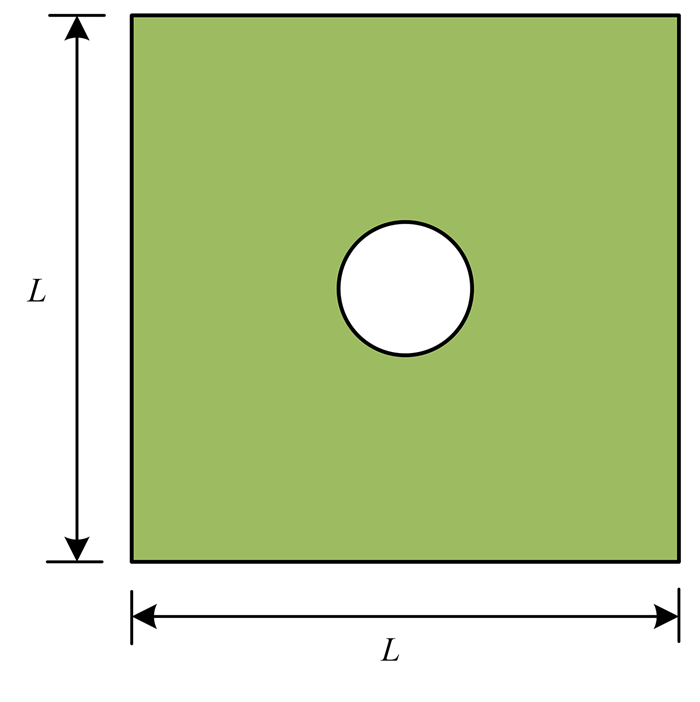
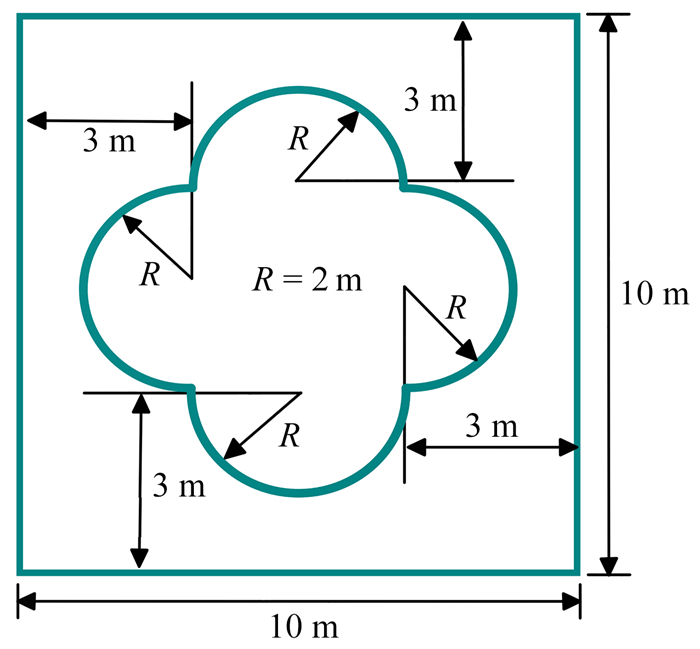
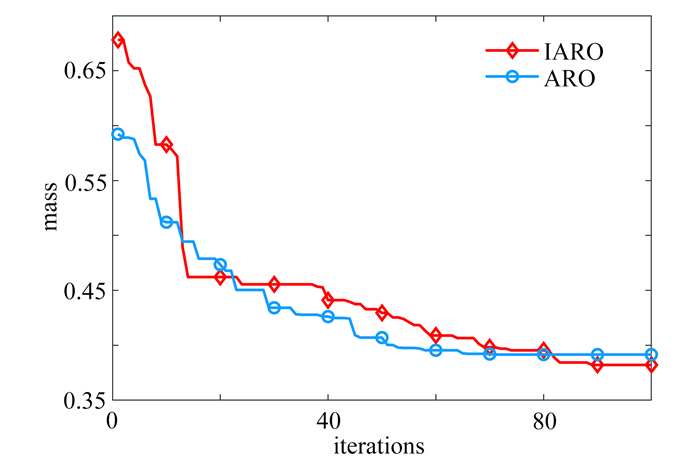
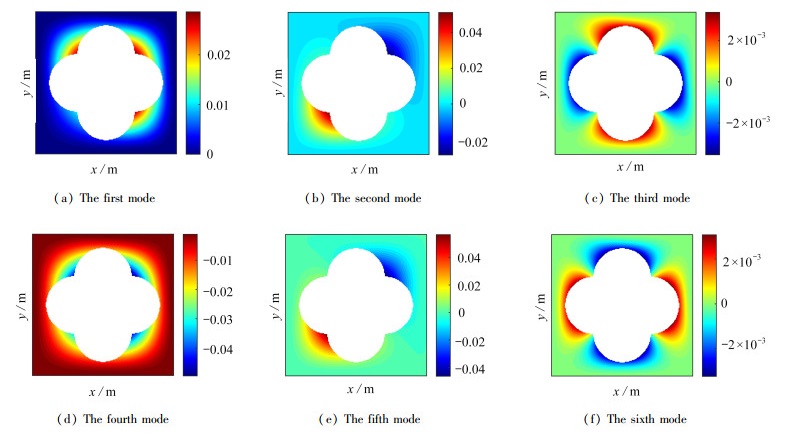
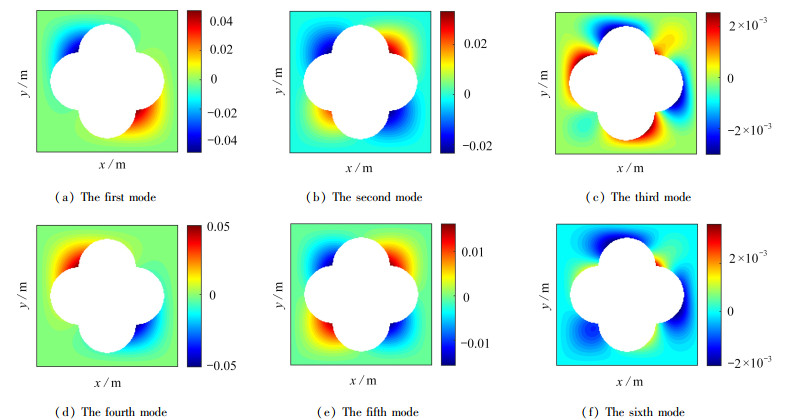
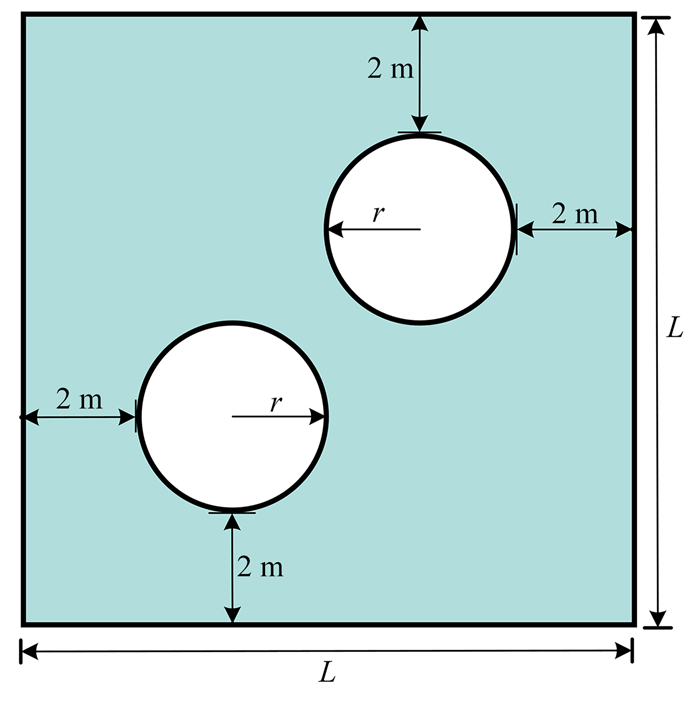
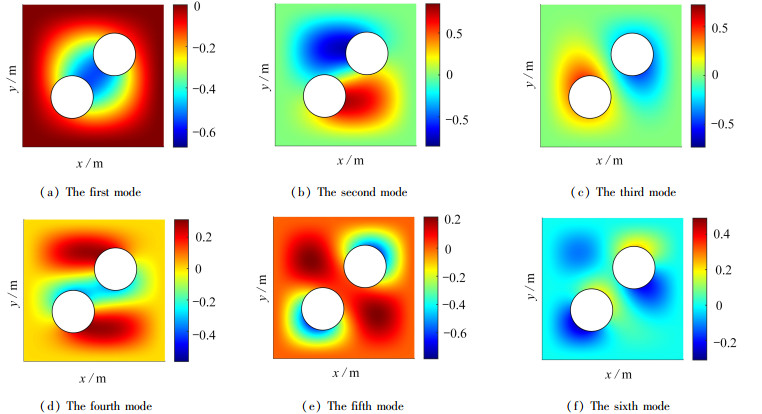
In practical engineering applications, solving the mass optimization problem can not only effectively reduce the cost, but also significantly improve the structural properties. To address this mass optimization problem of functional graded material plates with holes, a solution model was proposed based on the simple first-order shear deformation theory (S-FSDT) and the extended isogeometric analysis (XIGA) to solve the mass minimization problem with the first natural frequency and the buckling critical parameter as the constraints. In the optimization procedure, an improved artificial rabbits optimization (IARO) algorithm incorporating the Lévy flight strategies was employed, which substantially enhances the algorithm's global exploration capability and enables effective escape from local optima. In the optimization design, the B-spline function was used to replace the traditional functionally gradient material distribution function, and the control points of the material distribution were used as design variables. The IARO algorithm demonstrates superior optimization performance through comprehensive benchmark testing through the CEC 2019 test functions, and the results of the arithmetic examples show the validity and feasibility of the proposed model, which can be further explored in the future for the application of the model in more complex engineering structures to achieve a more comprehensive structural optimization design.
The Rayleigh-Ritz Solution for DNA-Microcantilevers
LIU Cheng, HE Xiaobing, SHEN Xudong
2026, 47(5): 577-588. doi: 10.21656/1000-0887.460067
Abstract(25) PDF(13)
Abstract:
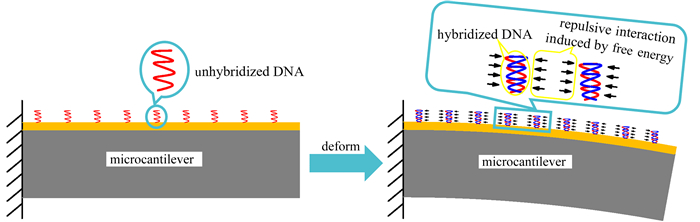
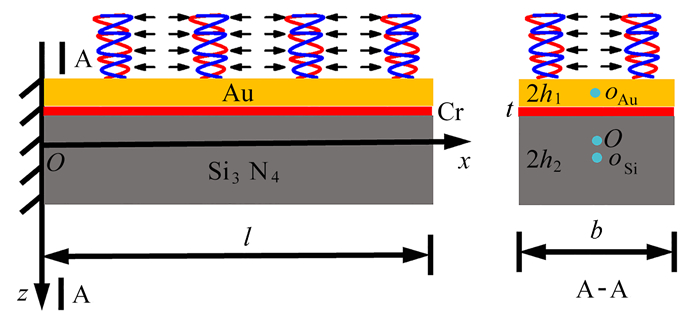
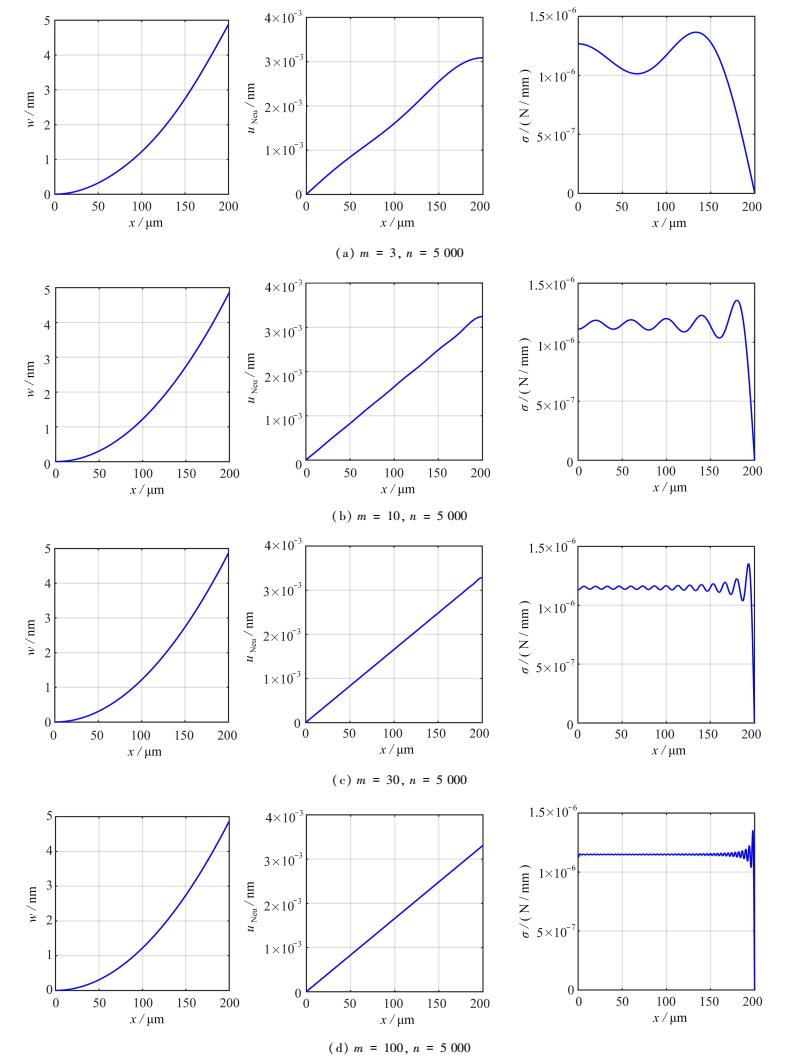
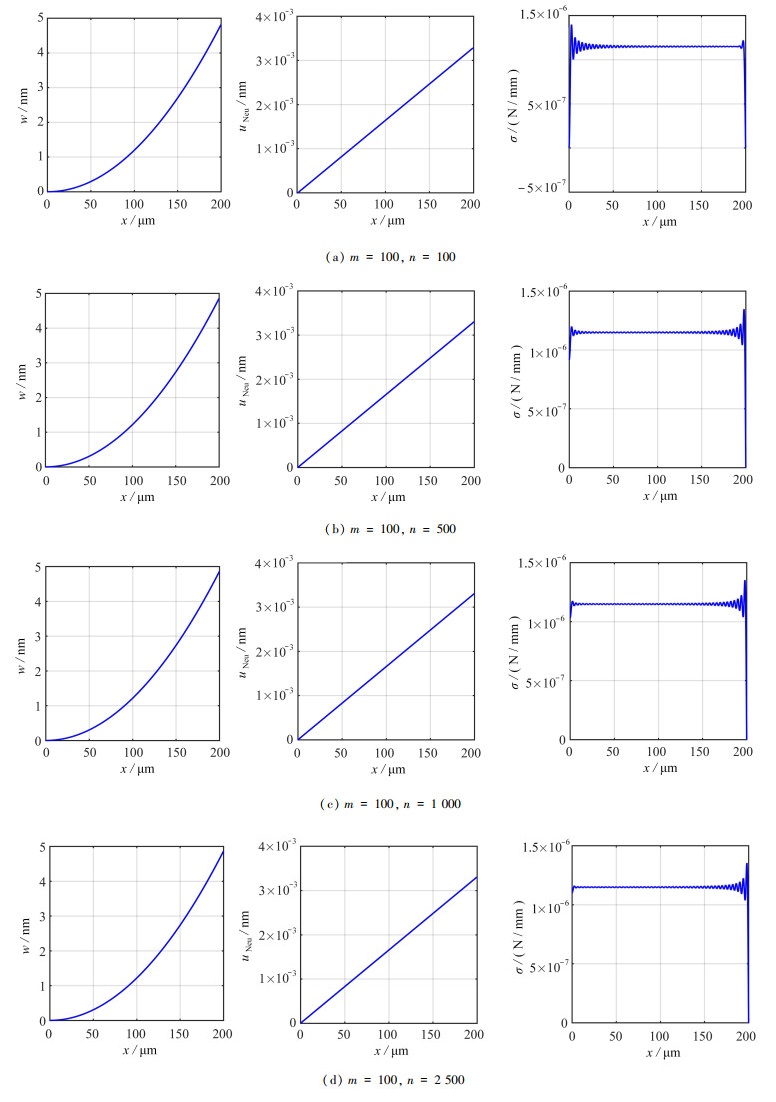
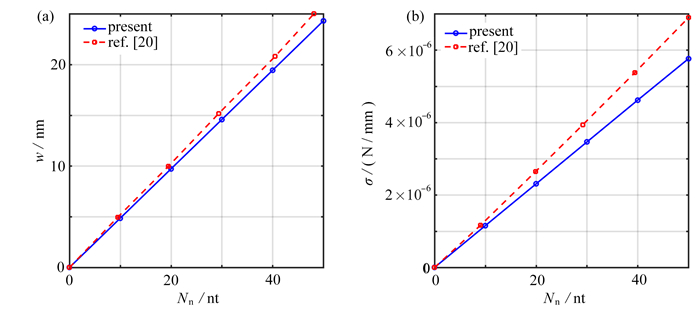
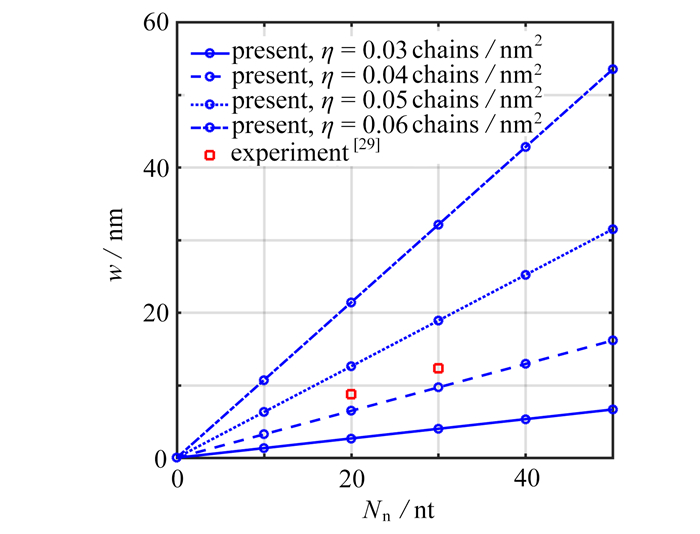
DNA-microcantilevers hold significant potential in biosensing due to their nanomechanical properties, yet the assumption regarding uniform curvature and axial strain of the neutral axis remains unverified. To address this, a functional potential energy model coupling the free energy of liquid crystalline DNA molecular layers with the composite beam deformation, was established. An innovative triangular series modal superposition approach was used to characterize displacement fields, and enable the variational solution via the Rayleigh-Ritz method, and a segmented integration strategy was employed to realize the full-domain free energy computation. Then the nonlinear equations governing Ritz coefficients were solved through the fixed-point iteration to yield microcantilever deformations and DNA strand spacing distributions. The results indicate that, the deformed curvature exhibits pronounced uniformity, providing theoretical support for the uniformity assumption. Convergence analysis demonstrates that, the triangular series expansion order ≥10 and the number of beam segments divided ≥2 500 ensure solution accuracy for deflection and stress, effectively validating the correctness of the uniformity assumption within the coupled model.
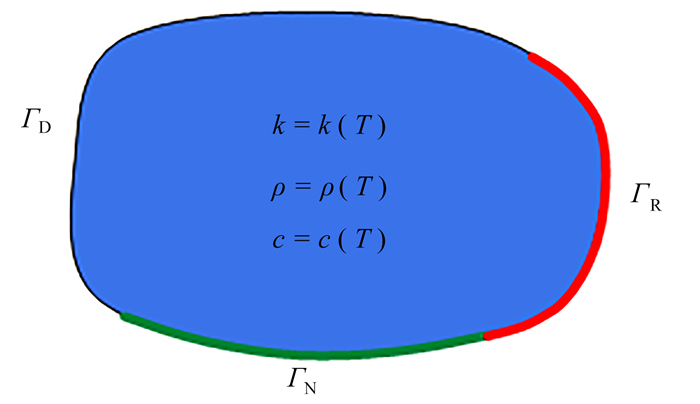
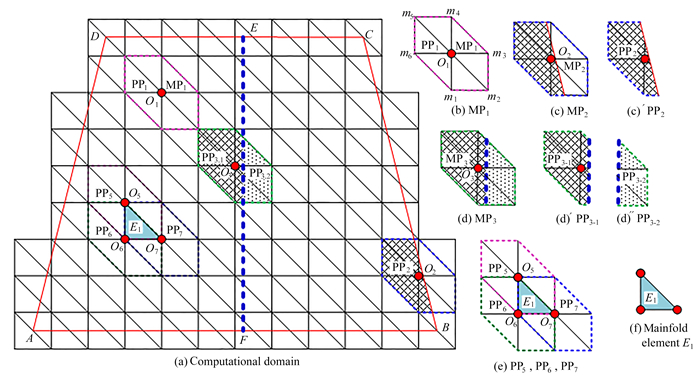
A Numerical Manifold Method for Solving 2D Transient Nonlinear Heat Conduction Problems
ZHANG Limei, NIE Zhibao, ZHANG Nan, ZHENG Hong, ZHAO Shuaixing, YANG Long
2026, 47(5): 589-604. doi: 10.21656/1000-0887.460033
Abstract(28) PDF(12)
Abstract:
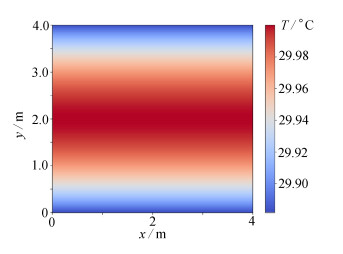
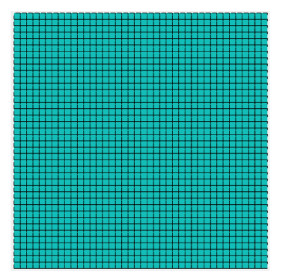
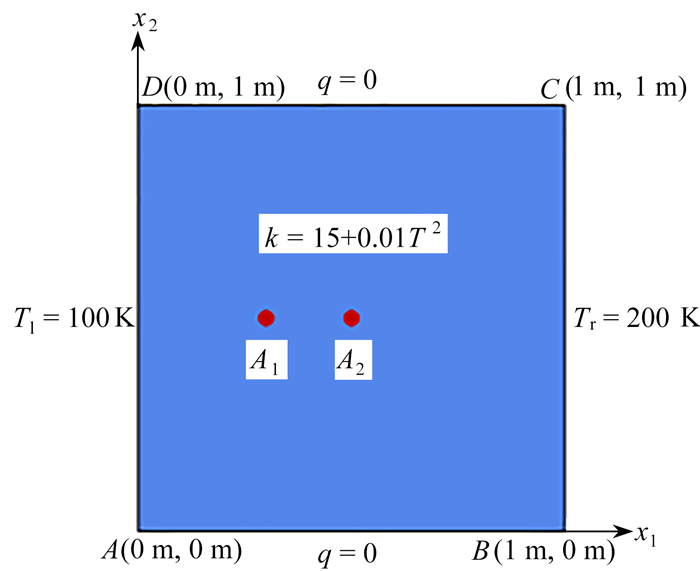
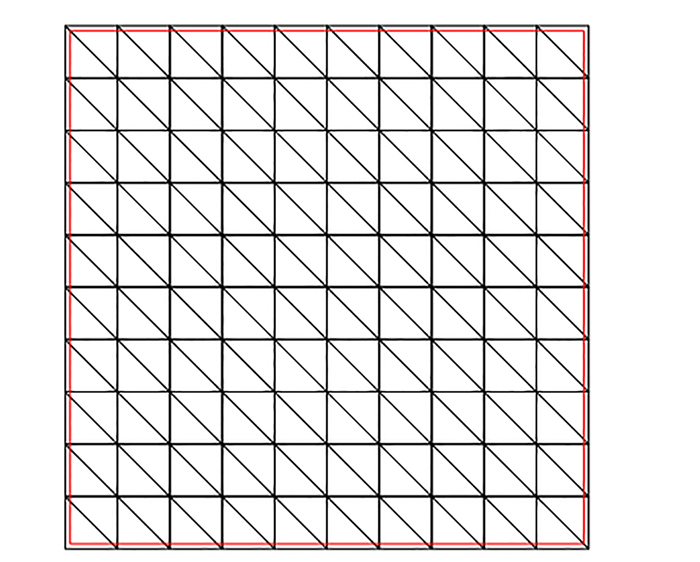
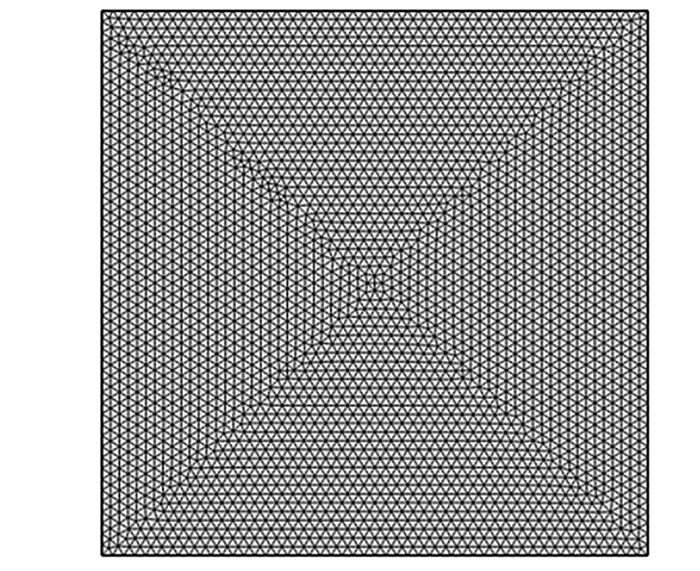
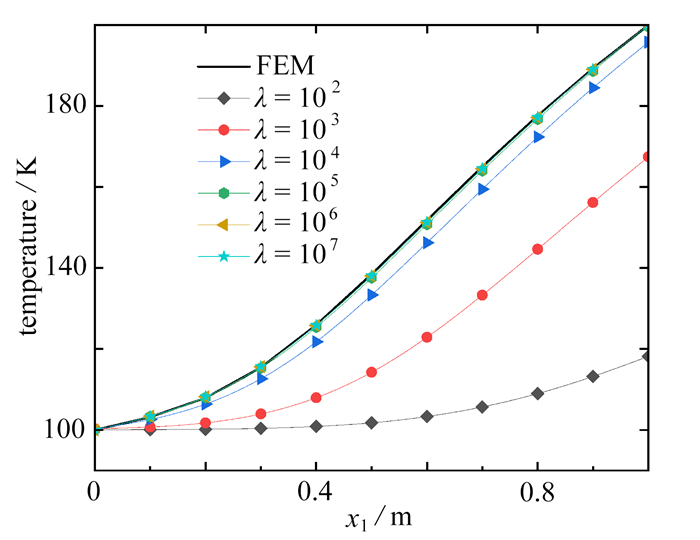
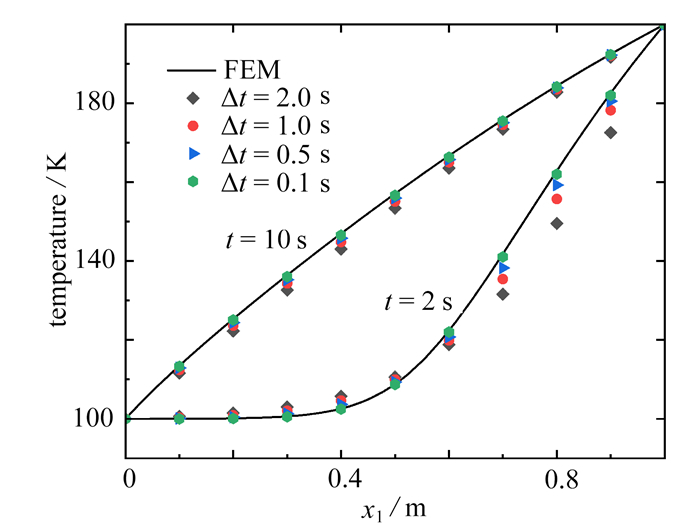
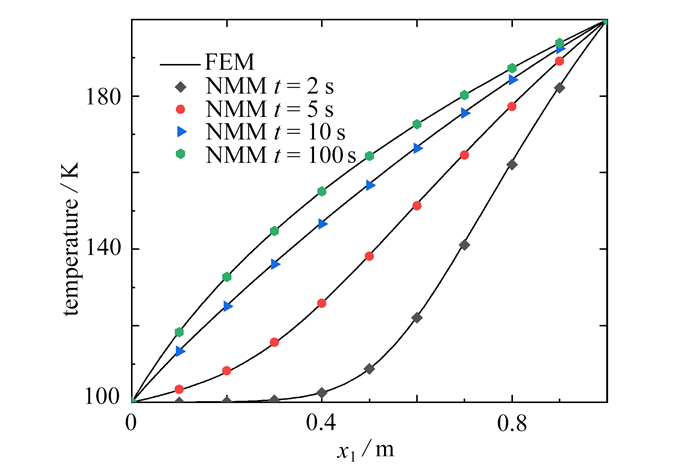
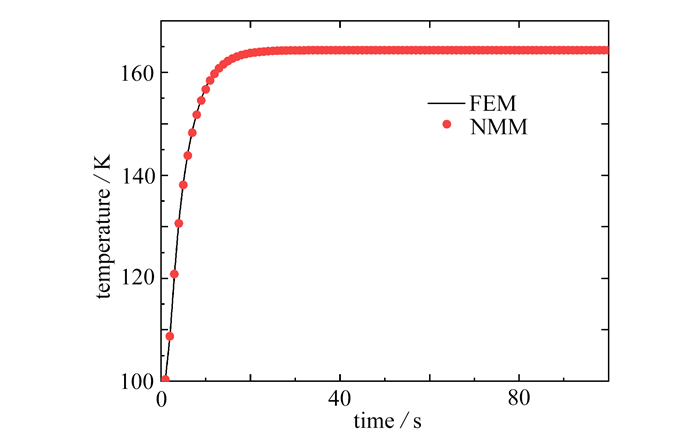
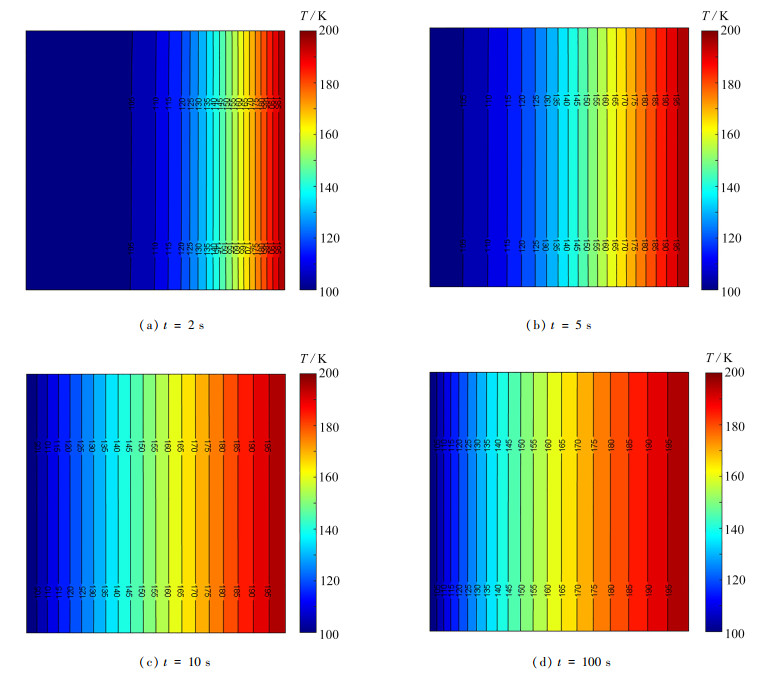
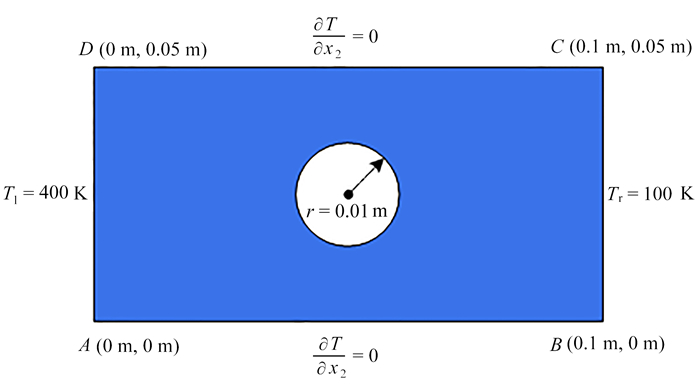
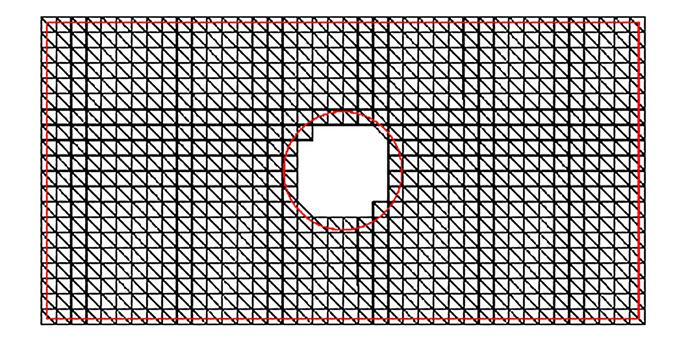
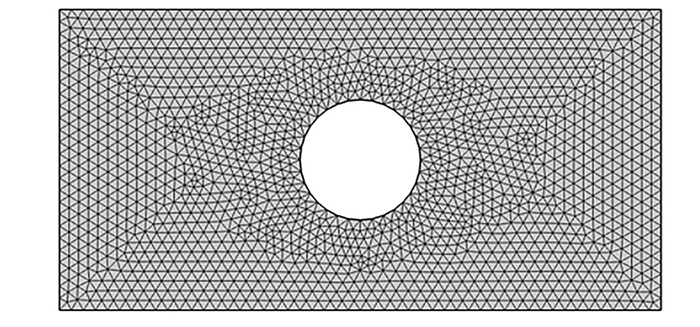
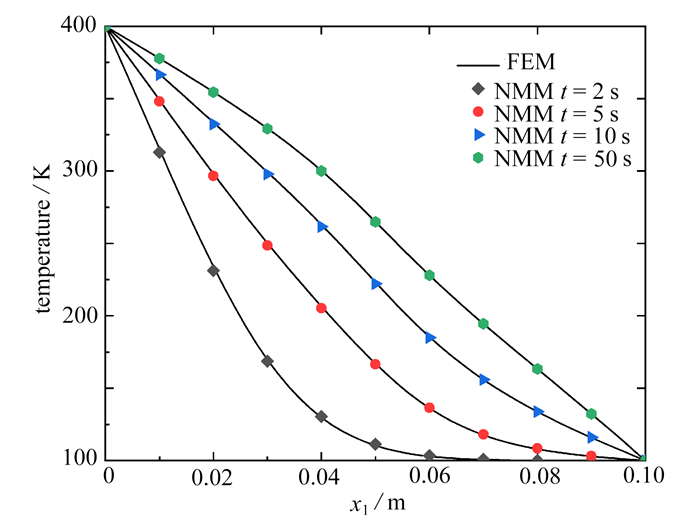
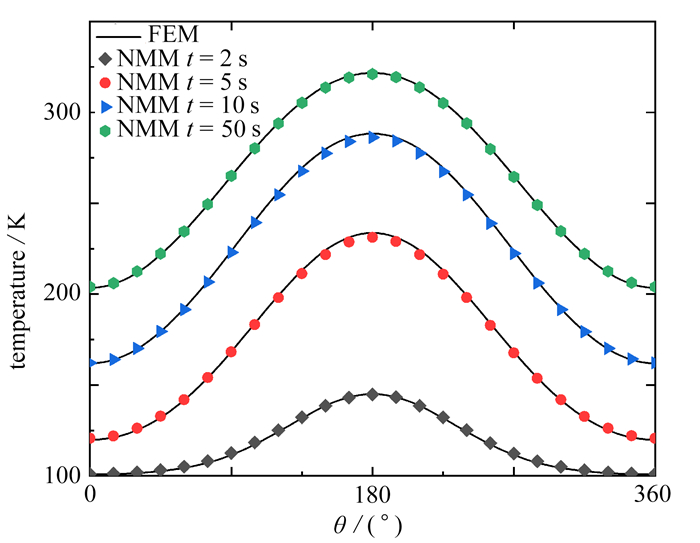
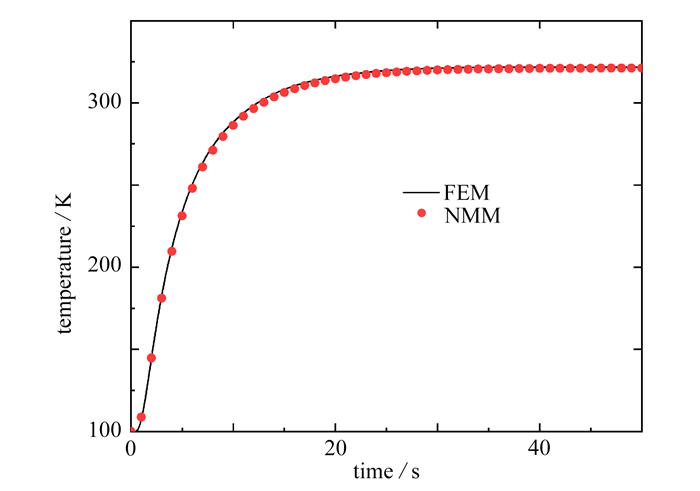
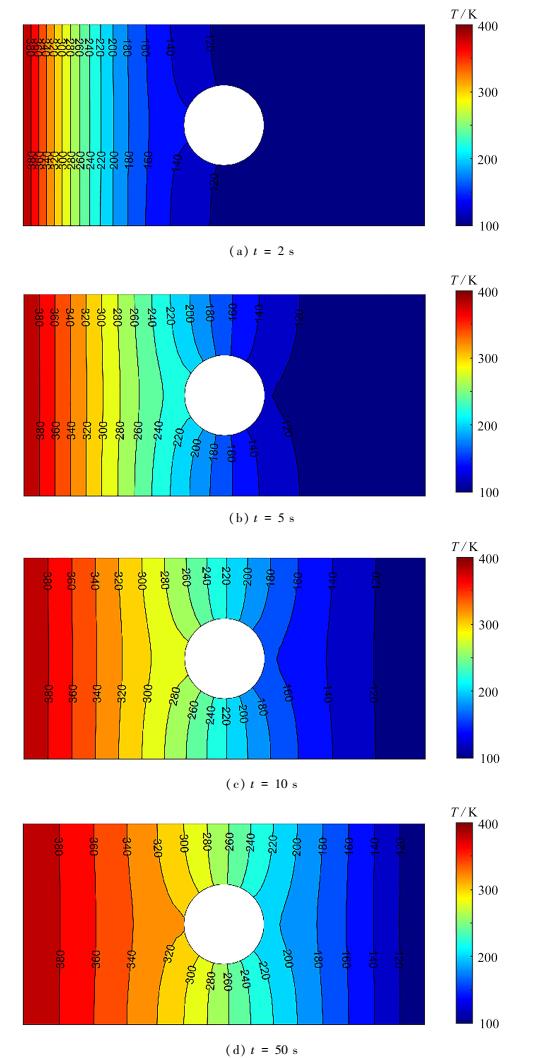
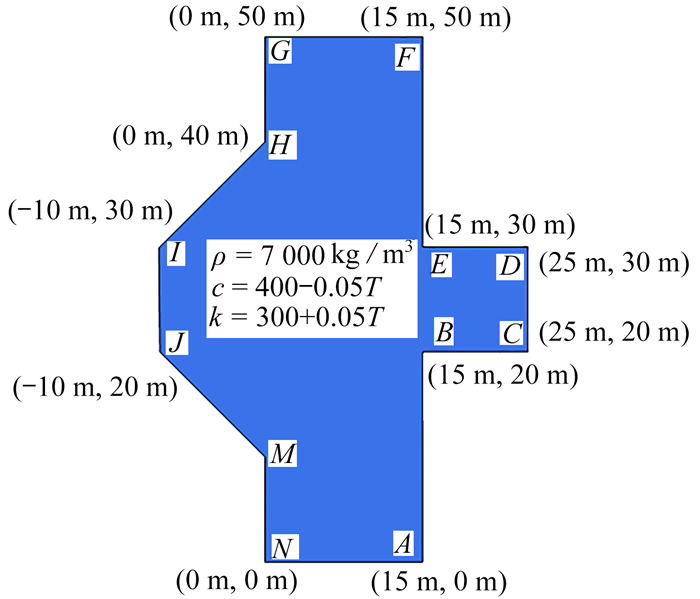
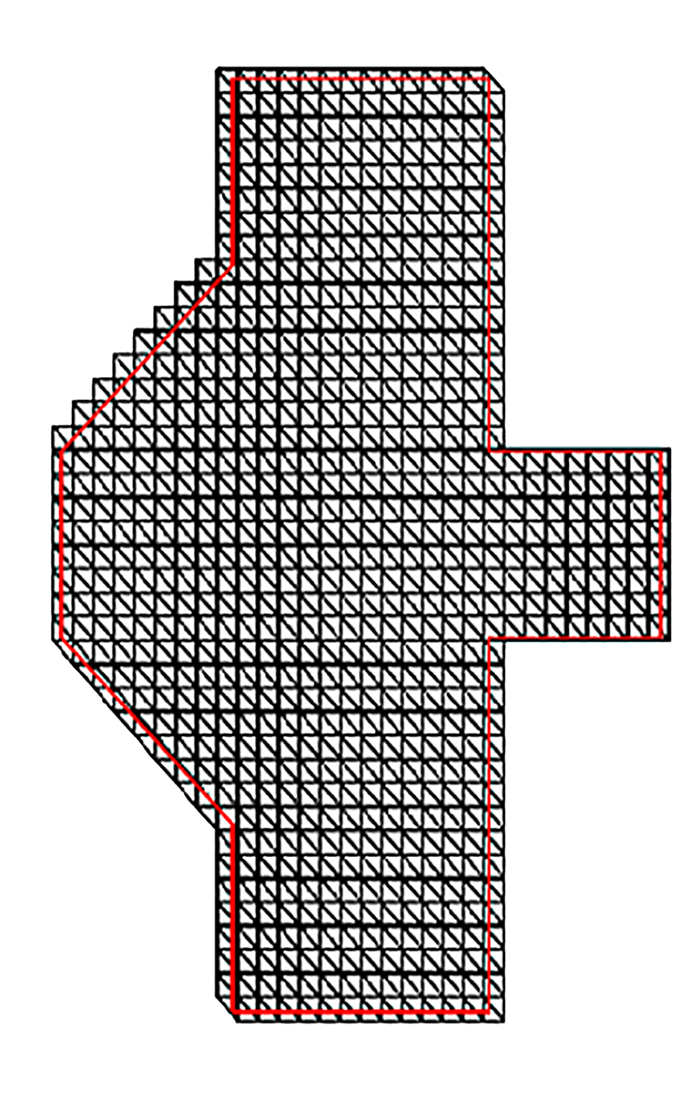
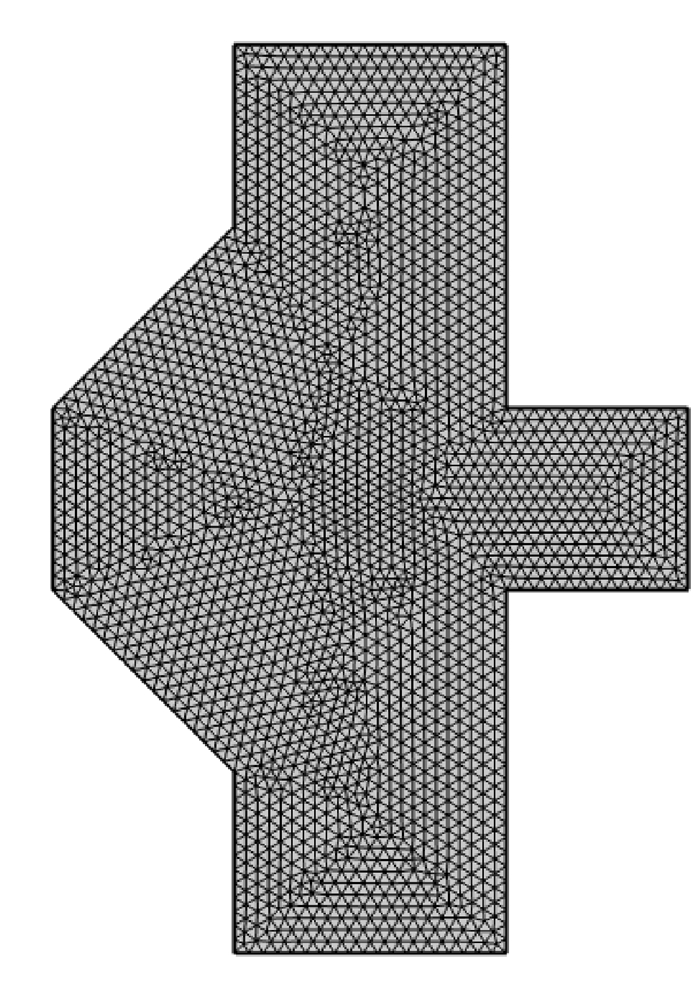
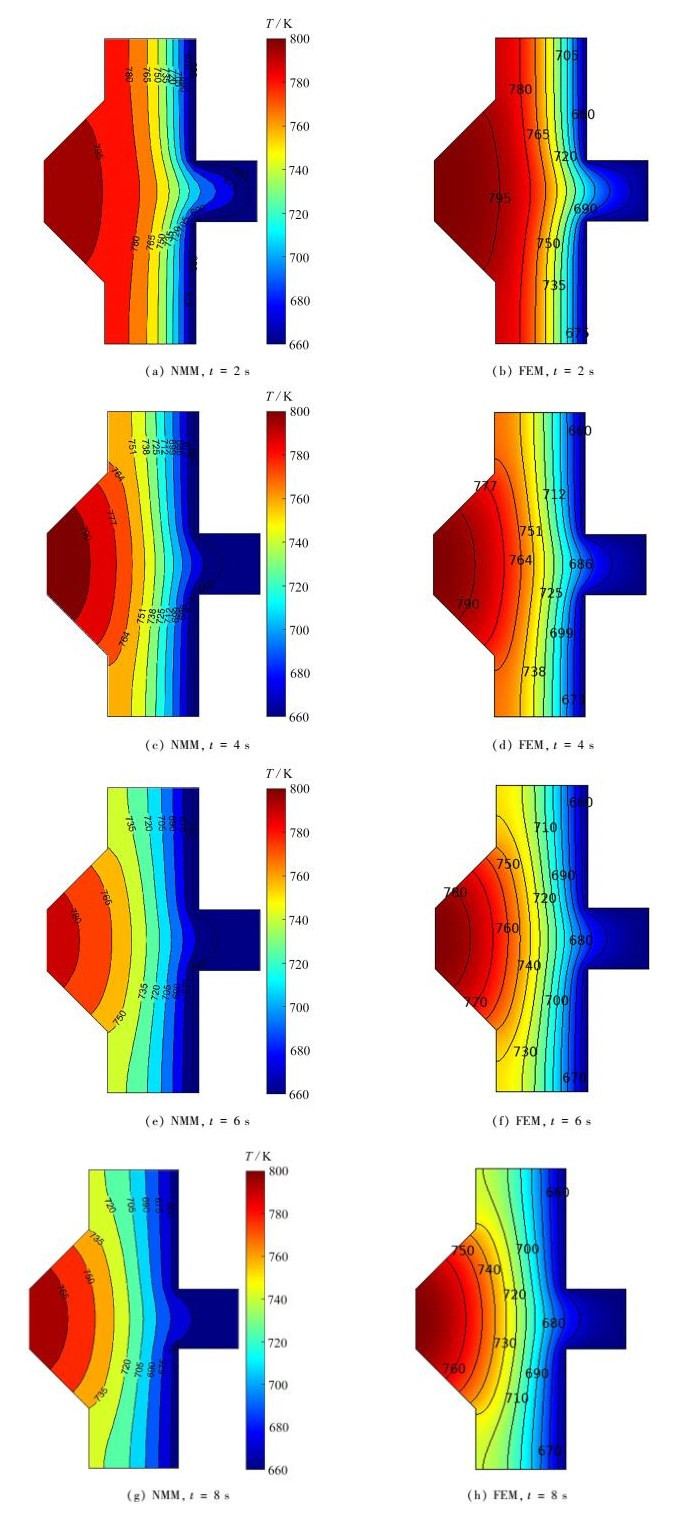
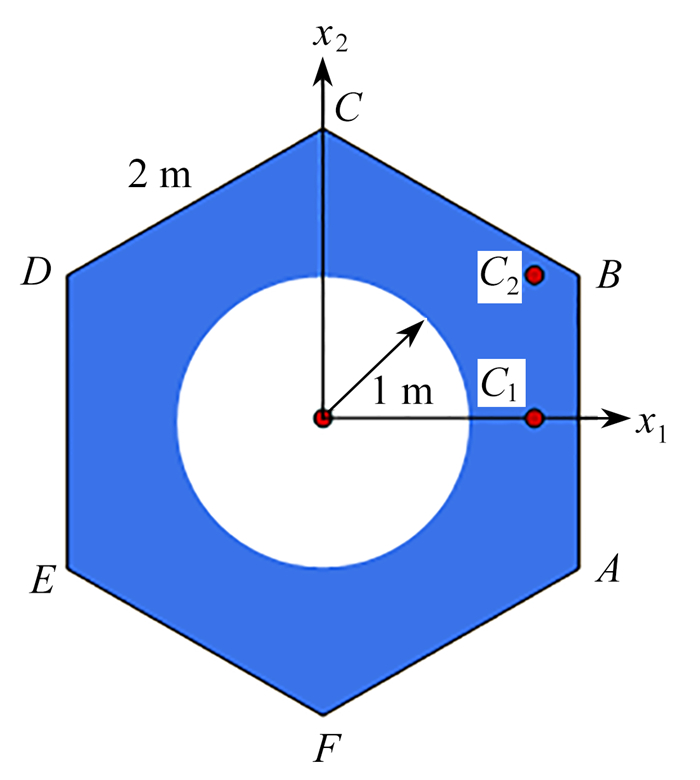
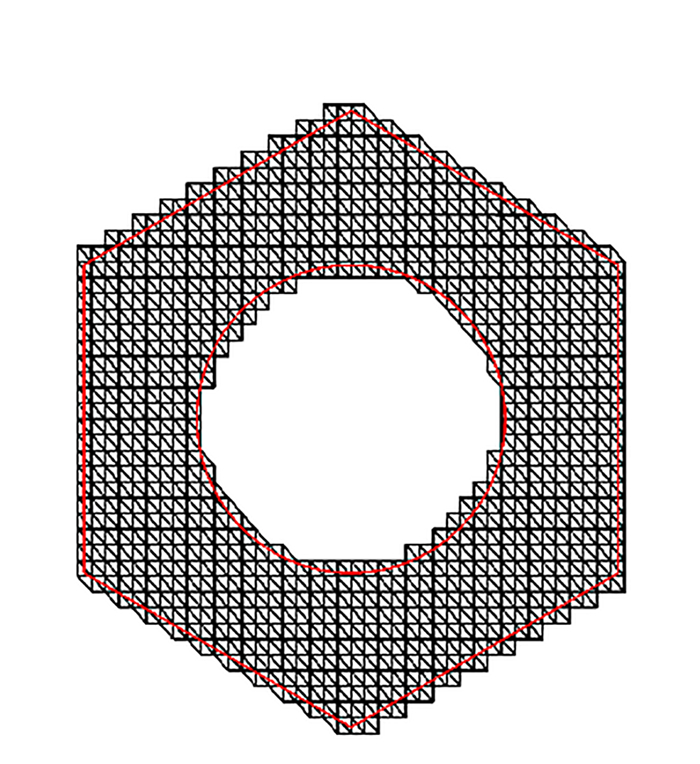
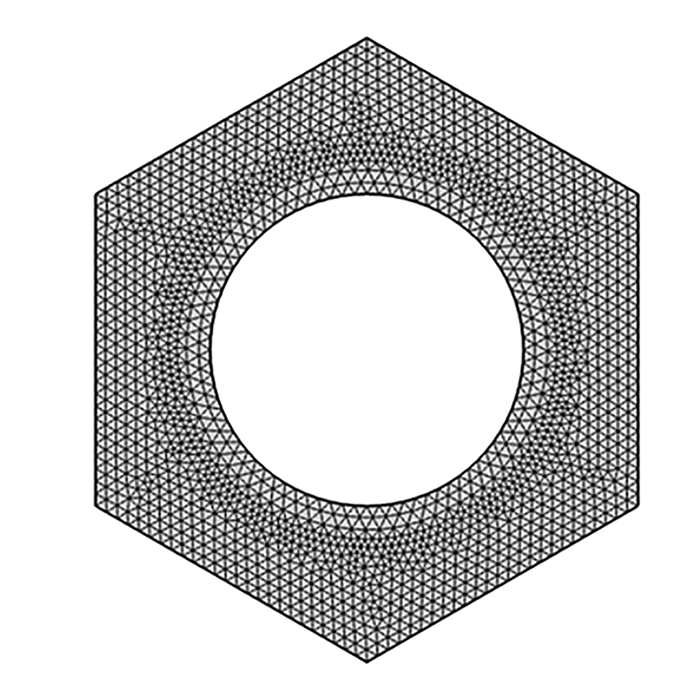
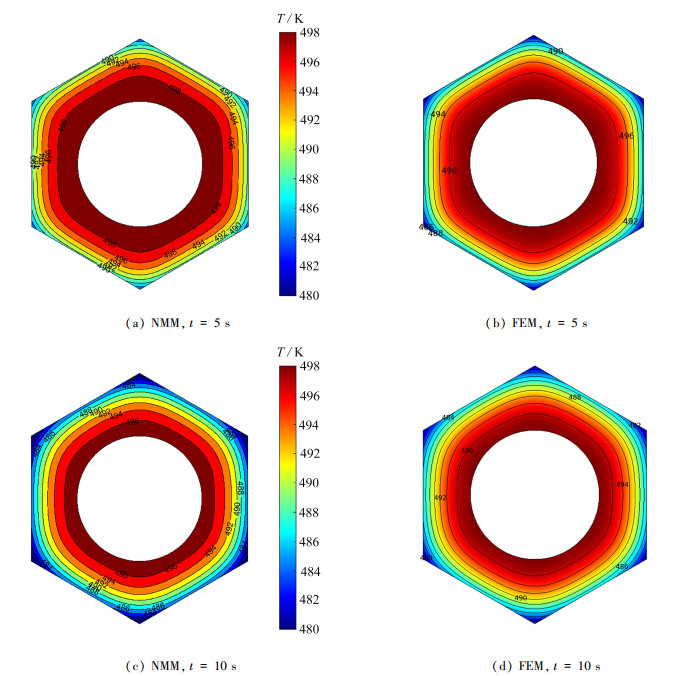
The numerical manifold method (NMM) effectively realizes the unified treatment of continuous and discontinuous problems through introduction of 2 cover systems: the mathematical cover for constructing the partition of unity functions and the physical cover for constructing the local approximation function. The application of the NMM to 2D transient nonlinear heat conduction problems was investigated. Firstly, based on the governing equations for the transient nonlinear heat conduction, along with the initial and boundary conditions, the weak form of the initial-boundary value problem was established. Subsequently, an NMM approximate expression for the temperature field was presented and the global discretization form was derived with the Galerkin method. For the time discretization, the backward Euler difference method was used and combined with the Newton-Raphson iterative method to solve the algebraic equations. From simulation of typical discontinuous plates with irregular boundaries and holes, the results show that, the NMM not only has high computational accuracy (the maximum error is not more than 0.6%) and good robustness, but also can handle complex geometries and discontinuous plates more effectively, which provides an innovative and efficient new method for numerical computation in this field.
Fluid Mechanics
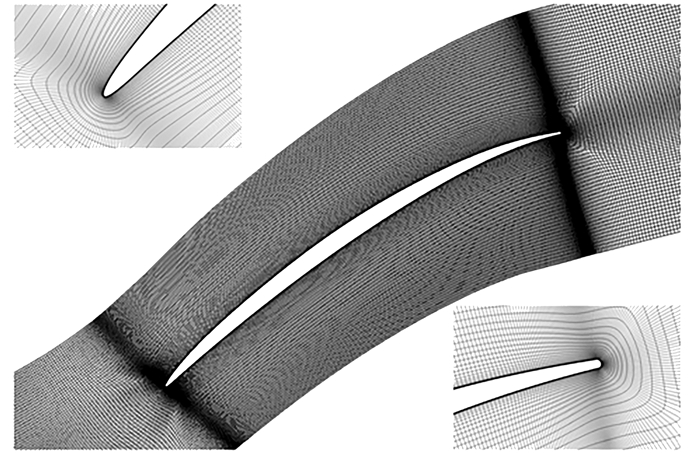
Optimization Design of Aerodynamic Performances of Aircraft Engine Fan Blade Profiles Based on Data Driven Methods
SONG Yuanfeng, JIN Yuanhang, TAO Jun
2026, 47(5): 605-620. doi: 10.21656/1000-0887.460084
Abstract(28) PDF(9)
Abstract:
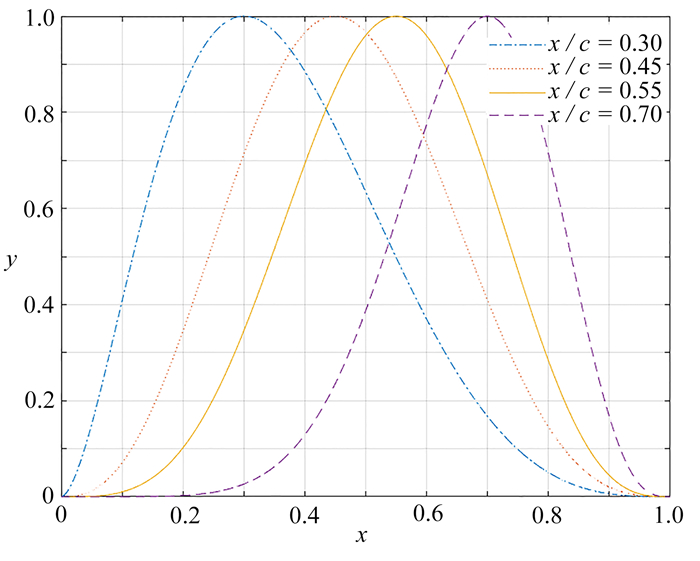
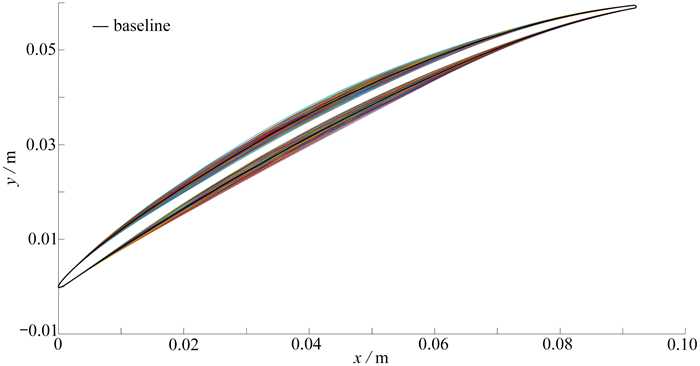
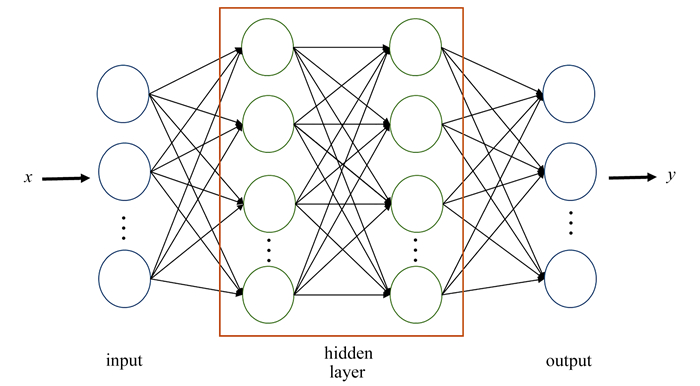
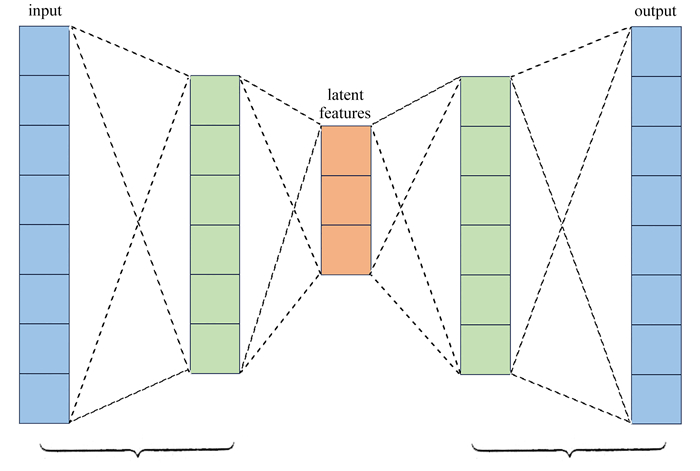
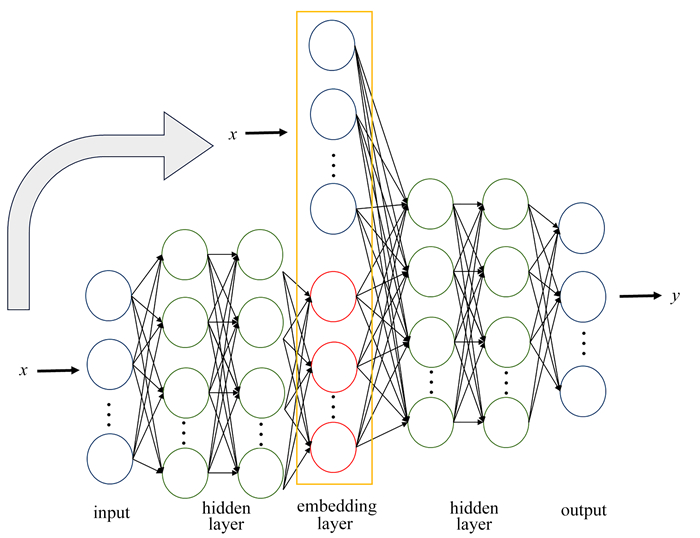
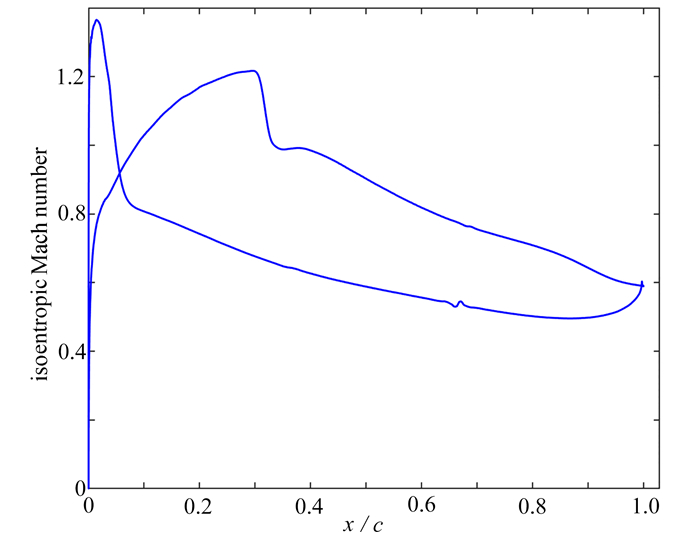
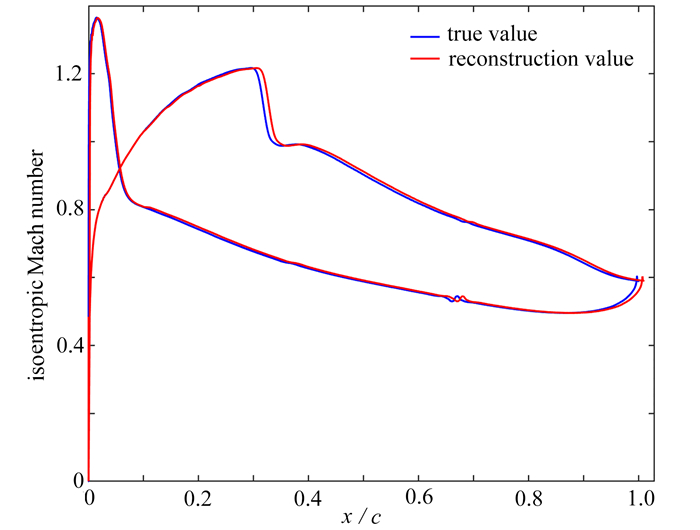
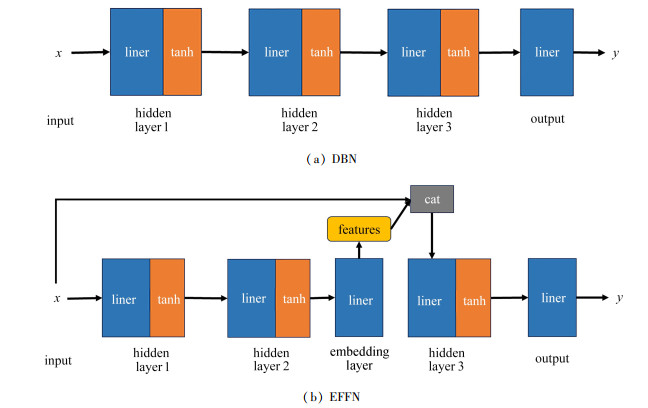
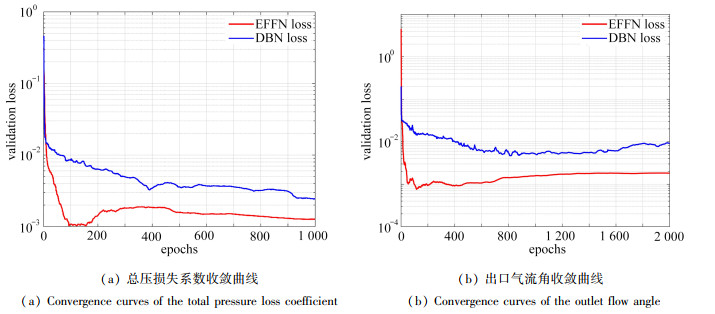
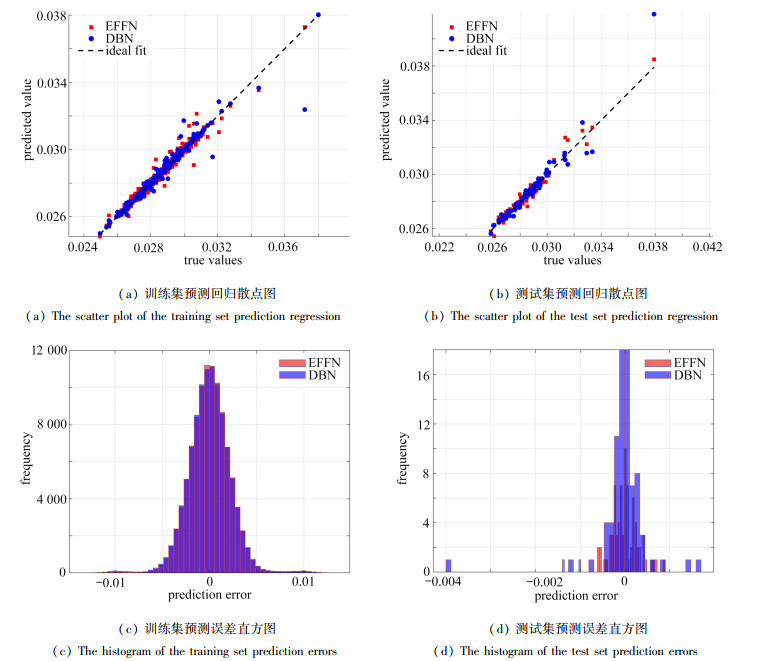
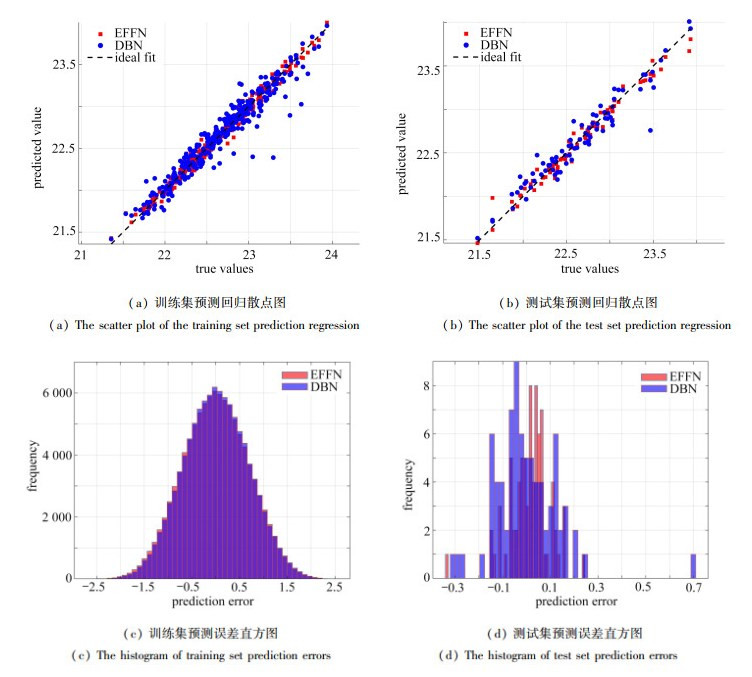
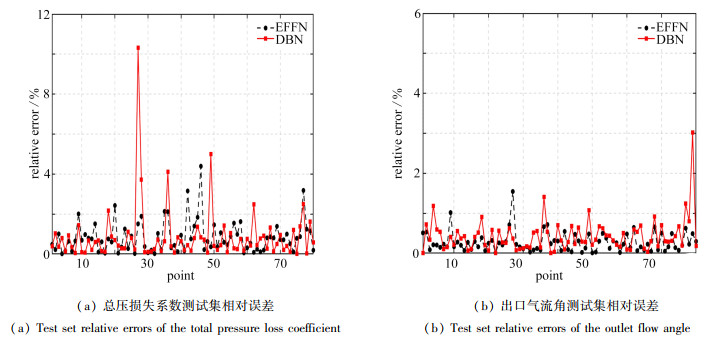
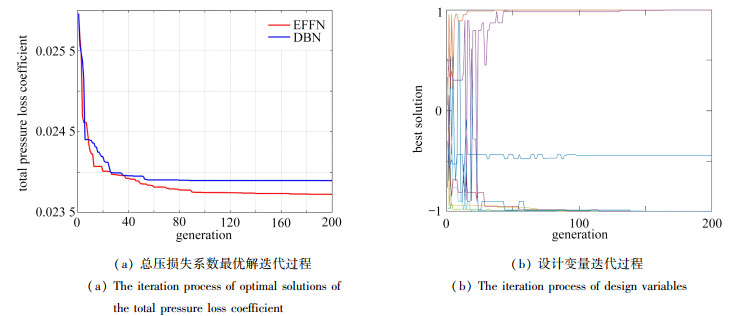
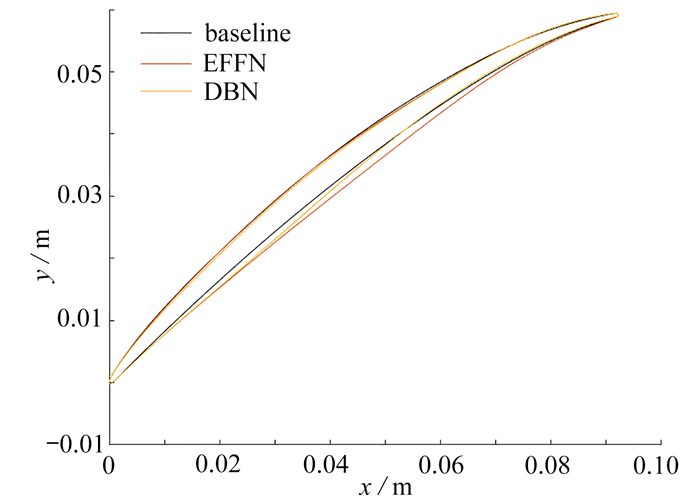
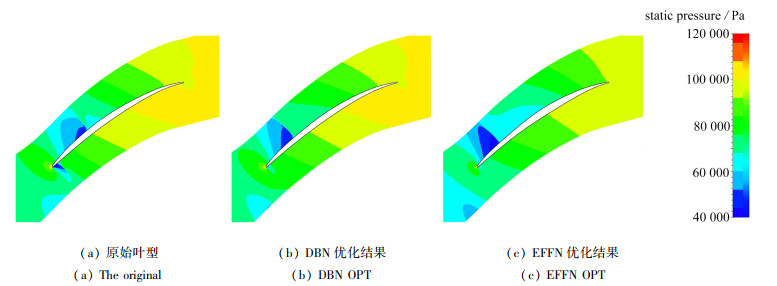
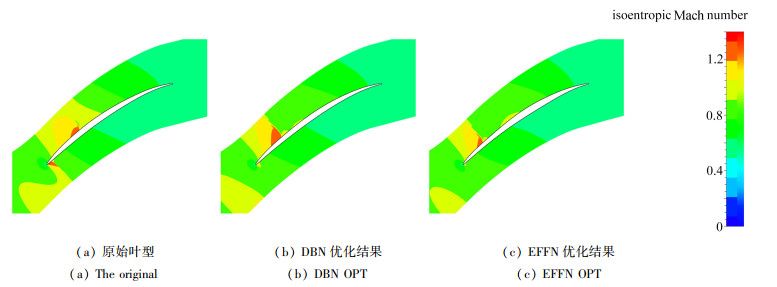
A flow feature embedding proxy model (embedding flow feature network, EFFN) was proposed, to improve the prediction accuracy of the proxy model by integrating the flow field information into the proxy model, and enable the proxy model to predict flow features. The requirement for the total number of training data samples in the EFFN is consistent or even less than that of traditional surrogate models used for aerodynamic optimization. It has higher prediction accuracy than traditional surrogate models with the same sample size, and can accurately predict flow characteristics, while to some extent solving the problem of poor physical interpretability of surrogate models. Meanwhile, due to the more reliable values predicted by the EFFN, it has better optimization results in aerodynamic optimization design. The results of optimizing the aerodynamic performances of the 2D blade profiles show that, the total pressure loss coefficient of the optimized blade profile based on the DBN model relatively decreases by 17.3%, while the total pressure loss coefficient of the optimized blade profile based on the EFFN model relatively decreases by 18.0%. The loss performance of the optimized blade profile based on the EFFN model was highly improved.
Aerodynamic Characteristic Analysis on Coanda Effects of Multi-Element Airfoils Under Circulation Control Based on RANS
DU Yiming, LI Zhihao, WANG Hao, HUANG Longtai, GAO Pan
2026, 47(5): 621-638. doi: 10.21656/1000-0887.460006
Abstract(24) PDF(7)
Abstract:
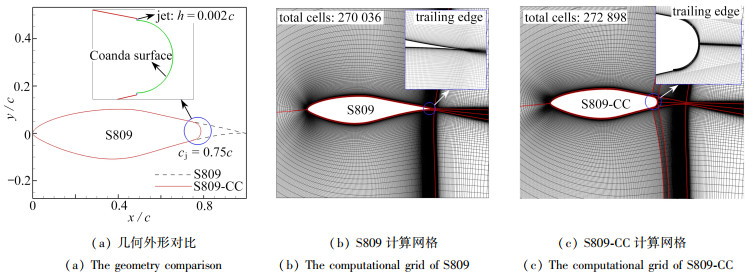
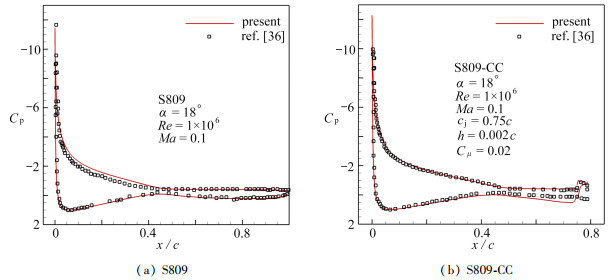
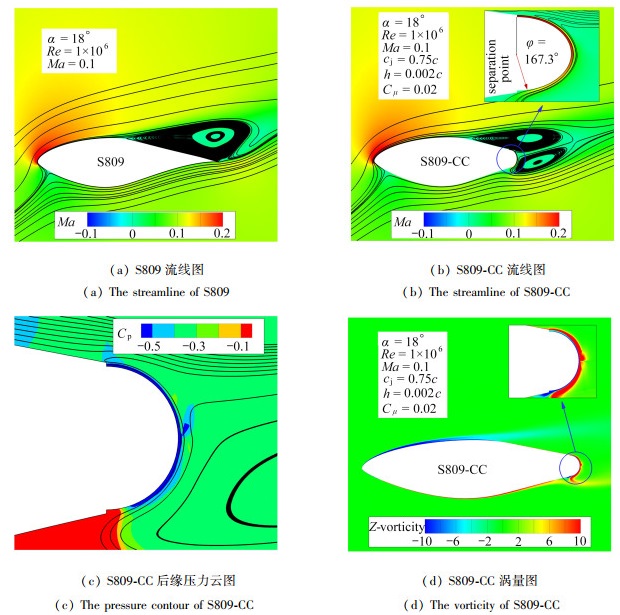
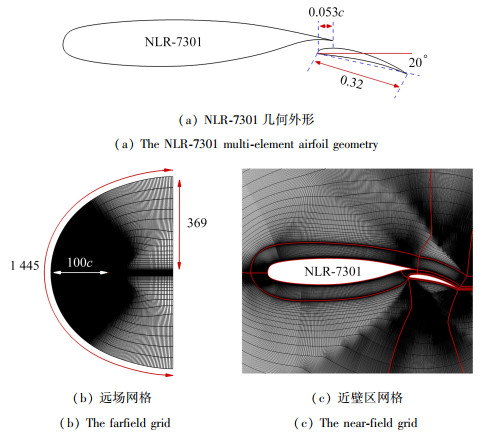
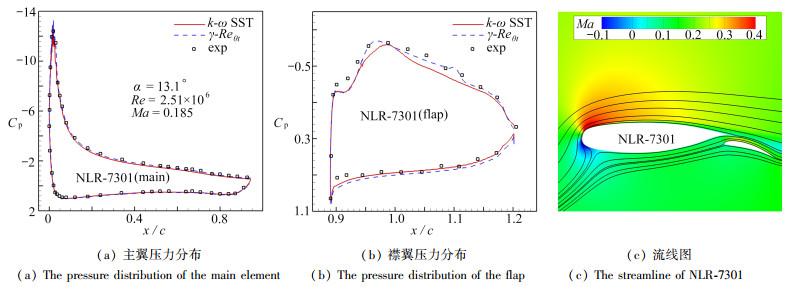
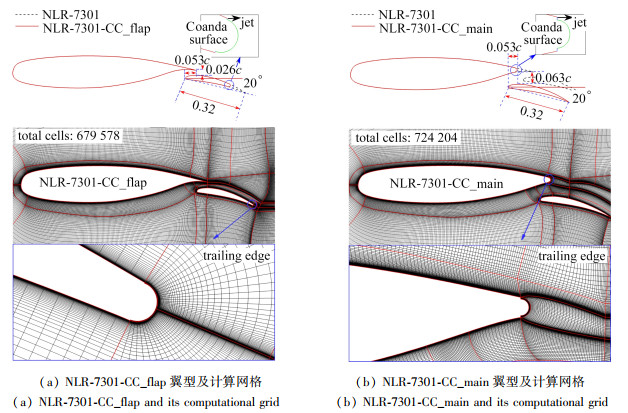
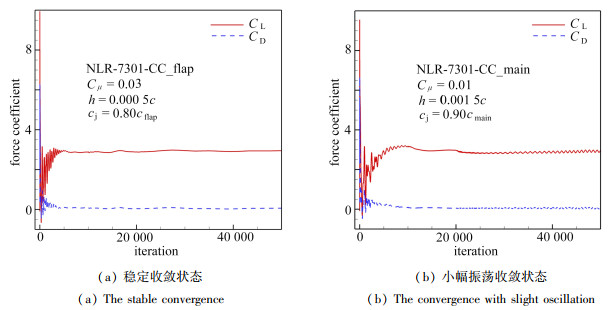
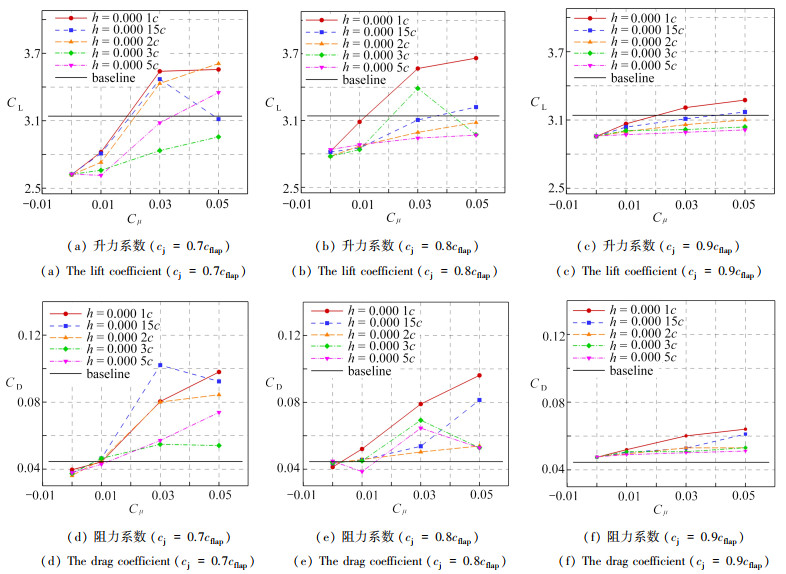
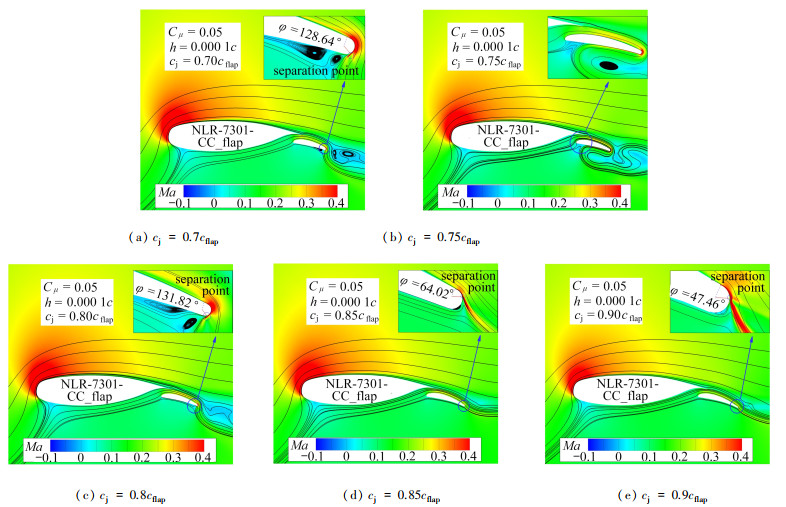
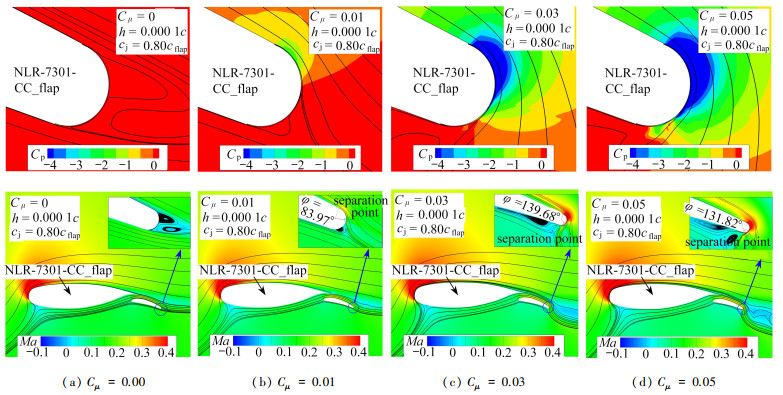
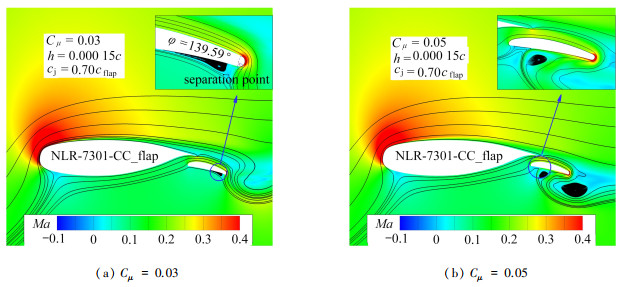
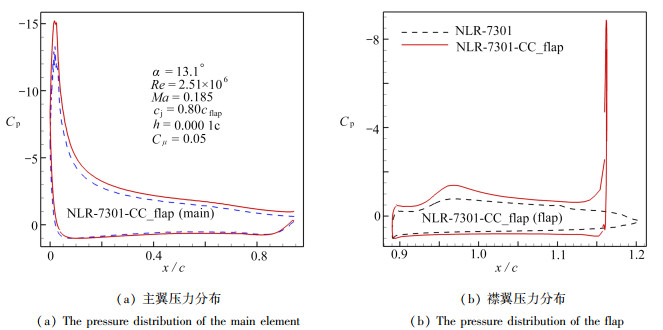
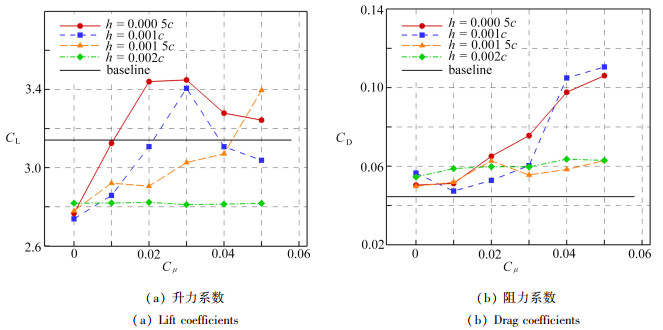
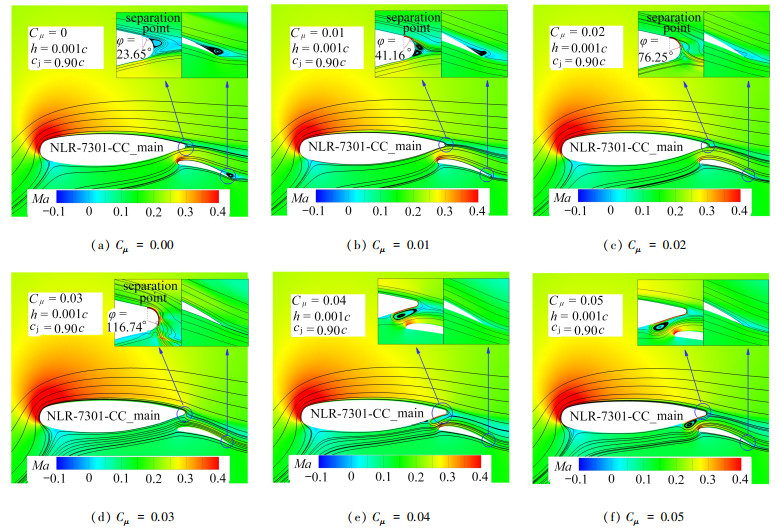
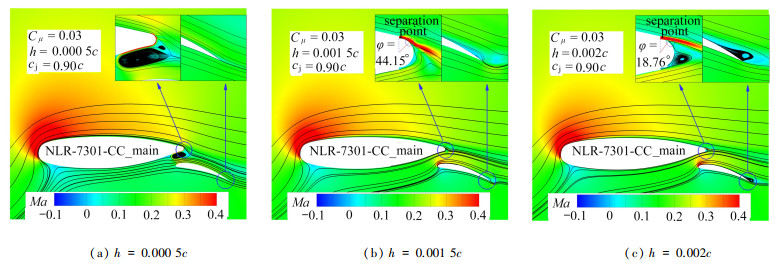
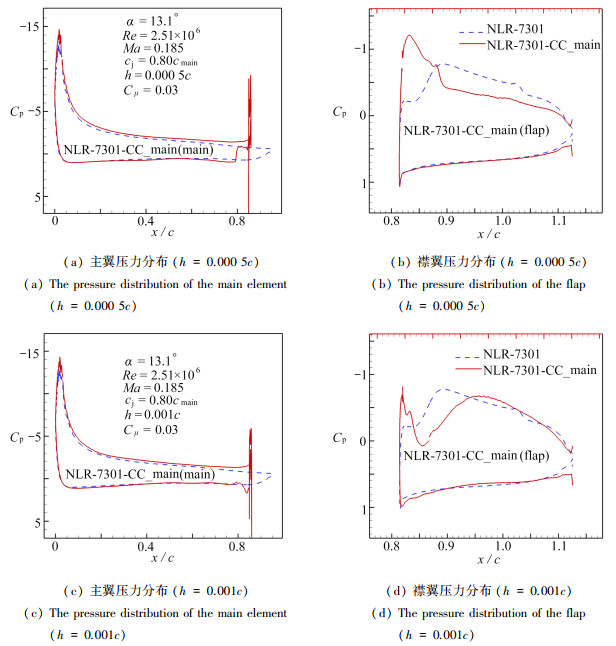
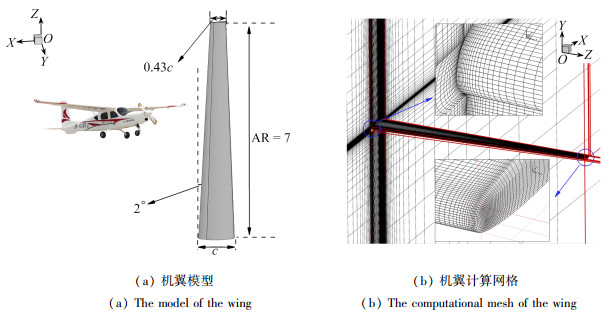
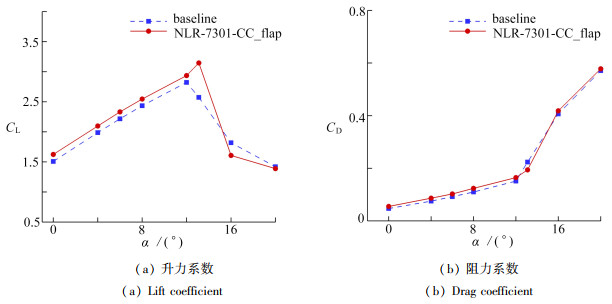
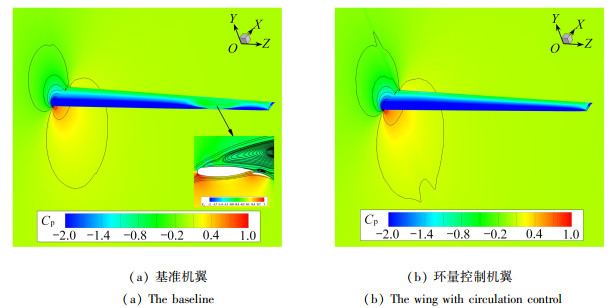
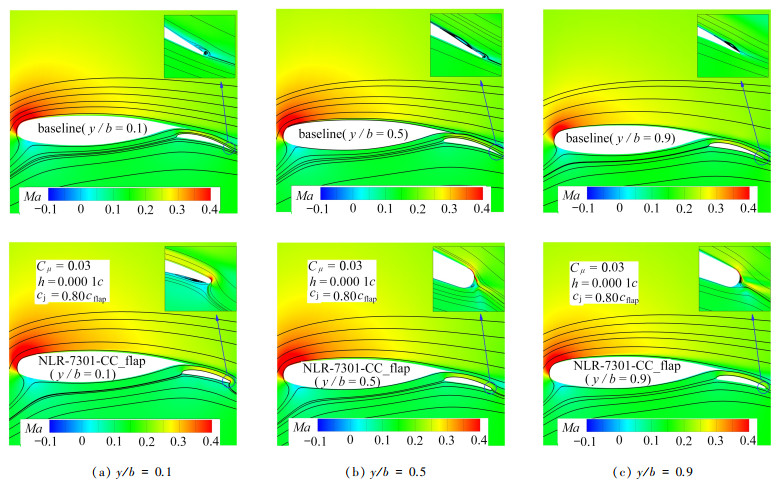
Combining traditional high lift devices with circulation control is expected to improve the takeoff and landing performance of aircraft. Based on the Reynolds averaged Navier-Stokes (RANS) method, the 2D NLR-7301 2-segment airfoil was taken as the research object. The circulation control was applied to the main element and the flap respectively, and the effects of jet positions, heights, and momentum coefficients on the aerodynamic characteristics of the multi-segment airfoil were systematically investigated. The results show that, the position of the jet determines the basic aerodynamic force. For a too far backward jet position, the Coanda surface will be too small to yield the wall attachment effect. Conversely, for a too far forward jet position, significant separation will easily happen on the lower surface, to reduce the lift-enhancement effect. The lift coefficient generally increases with the decrease of the jet height and the increase of the momentum coefficient, but there is a nonlinear effect by multiple parameters. A smaller jet height can bring a better lift increasement. For high jet heights, the jet velocity is low, to weaken the entrainment effect and potentially cause circulation control failure of the main element. For the circulation control of either the main element or the flap of NLR-7301, 0.03 is an appropriate momentum coefficient, and further increase will cause significant separation of the lower surface, and reduce the efficiency of lift-enhancement. From the perspective of pressure distribution, the circulation control can elevate the suction peak at the leading edge of the main element, and improve the upper surface suction and lower surface pressure. At the same time, the entrainment effect of the main element jet flow helps to eliminate the boundary layer separation at the trailing edge of the flap. Furthermore, the circulation control can still effectively enhance the aerodynamic performance of the wing under 3D conditions. However, its control effect is affected by the spanwise flow and gradually diminishes from the wing root to the tip. The above conclusions provide a reference for the design of the circulation control of multi-element airfoils. In practical applications, numerical optimization is required to find the optimal combination of control parameters, in view of both lift and drag characteristics.
Applied Mathematics
Optimization of the ME Rutting Depth Prediction Model Using Swarm Intelligence Algorithms
LIU Jiajia, LI Zhuoxuan, ZHANG Weiguang, CAO Jinde
2026, 47(5): 639-654. doi: 10.21656/1000-0887.460045
Abstract(30) PDF(12)
Abstract:
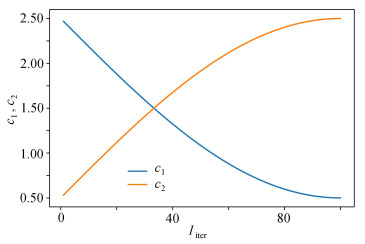
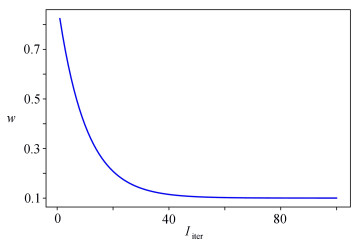
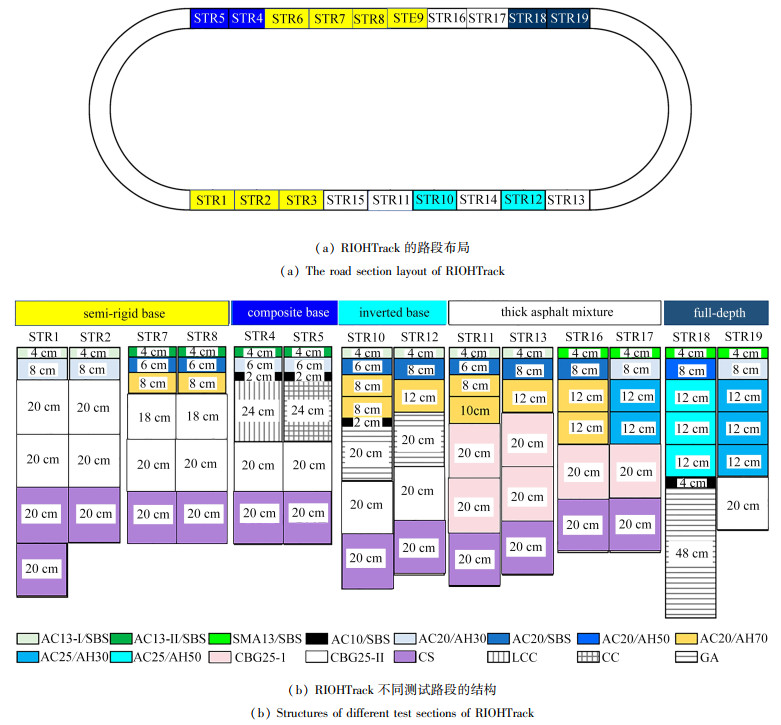
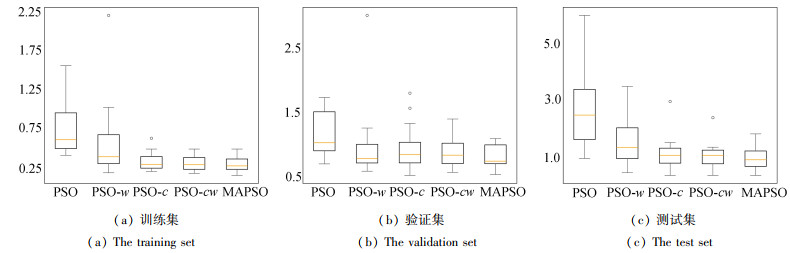
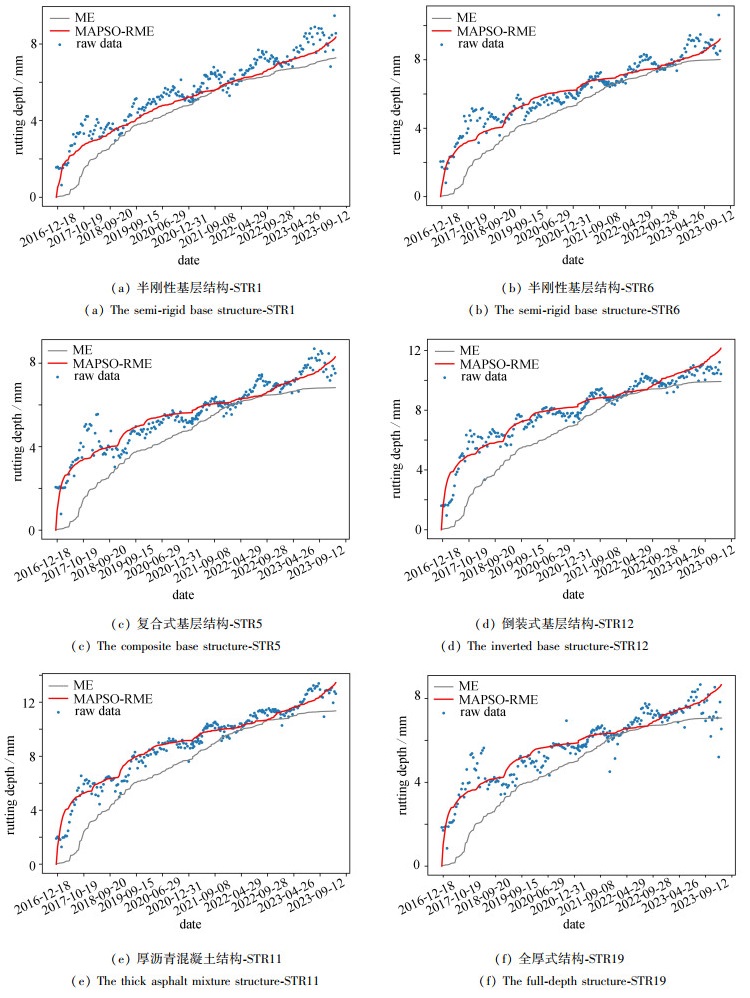
Rutting, a common disease of asphalt pavement, not only compromises the road quality and safety, but also plays a critical role in the structural design of asphalt pavement in many countries. To achieve more accurate prediction and evaluation of rutting evolution trends, it is particularly important to improve and optimize the existing rutting depth prediction model. Therefore, based on the long-term observation data of the RIOHTrack full-scale pavement acceleration loading test loop, the mechanical-empirical rutting depth prediction model in the Highway Asphalt Pavement Design Specifications (JTG D50—2017) was comprehensively adjusted and optimized. Three calibration parameters were introduced to calibrate the constant coefficients, temperatures, and cumulative load times, respectively, to improve the prediction accuracy and generalization ability of the model. Subsequently, a multi-strategy adaptive particle swarm optimization (MAPSO) algorithm incorporating a neighborhood mutation strategy and fusing exponential adaptive inertia weights with sinusoidal adaptive learning factors, was proposed. Then this algorithm was used to estimate the values of three calibration parameters to further improve the accuracy of the model. Finally, with the rutting data of 19 types of asphalt pavements in the RIOHTrack as an example, the MAPSO-RME model proposed in this article was applied for rutting depth prediction. The experimental results demonstrate that, compared with the mechanical-empirical rutting depth prediction model in the Highway Asphalt Pavement Design Specifications (JTG D50—2017), the MAPSO-RME model achieves remarkable improvement in fitting performance with a significant reduction in mean squared error (MSE) of prediction.
Residual Splitting Adaptive Physics-Informed Neural Networks for Solving Partial Differential Equations
FAN Kunkun, ZHANG Haoran, YUE Yucheng, YUAN Dongfang
2026, 47(5): 655-667. doi: 10.21656/1000-0887.460018
Abstract(34) PDF(10)
Abstract:
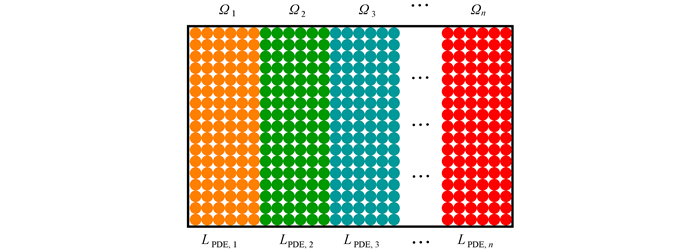
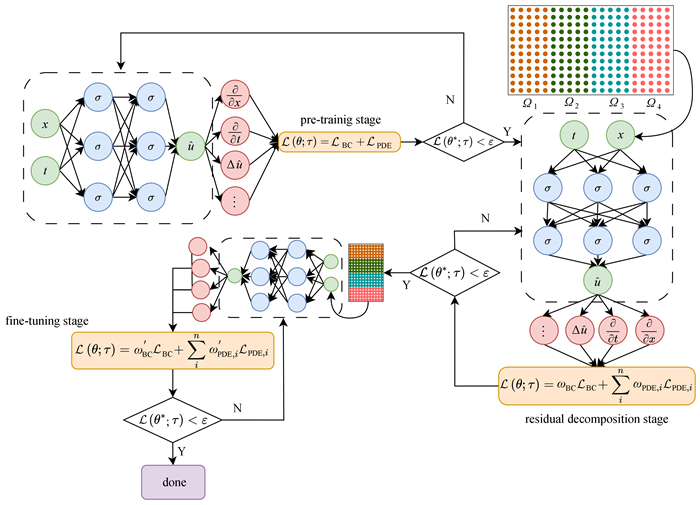
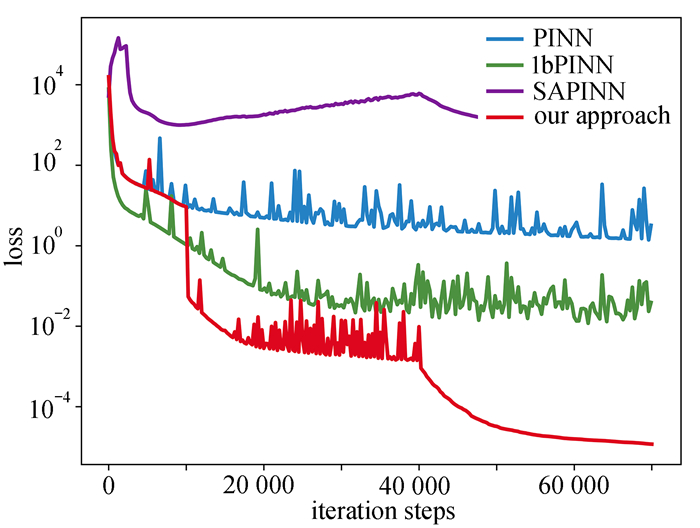
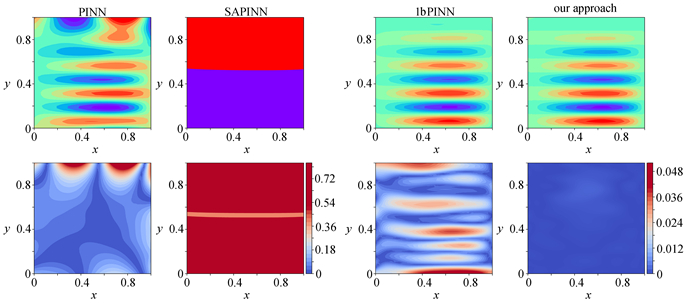
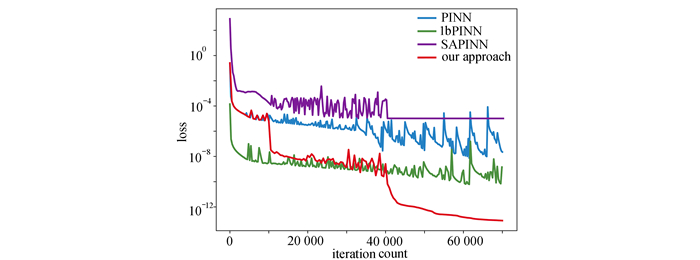
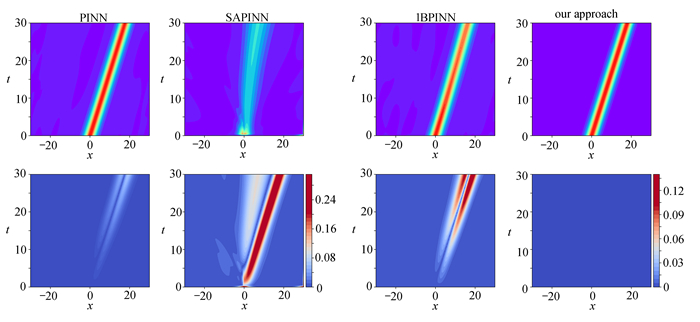
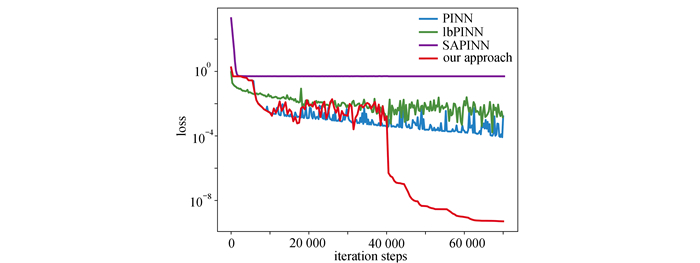
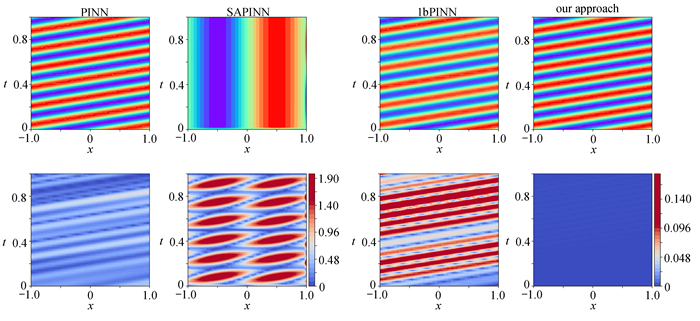
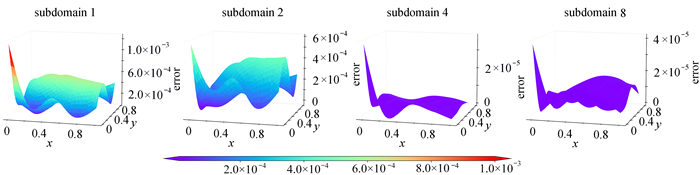
The magnitude difference between the loss functions of physical-informed neural networks (PINN) leads to a slow convergence of the training process and sometimes even training failure in some regions. To address this challenge, a physical-informed neural network model incorporating residual splitting and weight self-adaptation was proposed. The method improves the convergence of PINN by splitting the residual terms of PDE dominating the training process of PINN, into multiple independent components according to the domain decomposition, and adopts a self-adaptive weighting strategy to automatically adjust the weights among the components, thus promoting the convergence of PINN. This method makes up for the defects of the global residual strategy ignoring and smoothing out the local features, and increases the attention to the local features by splitting the subterms, which improves the efficiency of the optimization process, and thus enhances the solution accuracy. Through numerical experiments, the results show that, the proposed method not only surpasses the existing models in terms of accuracy, but also achieves an improvement of 2-3 orders of magnitude with superior computational efficiency.
Existence and Uniqueness With the Averaging Principle for Solutions to Stochastic Functional Differential Equations Driven by Fractional Brownian Motion
MA Li, CHANG Hong, LIANG Qing
2026, 47(5): 668-686. doi: 10.21656/1000-0887.460078
Abstract(31) PDF(12)
Abstract:
The distributiondependent stochastic functional differential equations, driven simultaneously by a fractional Brownian motion with Hurst index H>1/2 and a Lévy process and with the Markov switching and the random proportional times, were studied. Firstly, the existence and uniqueness of the solutions to the equations were established through the Carathédory approximation. Then, under certain averaging conditions, it is proved that the solution to the distributiondependent stochastic differential equation is approximated (in the sense of the p-th moment convergence) by the solution of its averaged stochastic functional differential equation.
Cover And Contents
Cover And Contents
2026, 47(5)
Abstract(24) PDF(8)
Abstract: